
First Impressions
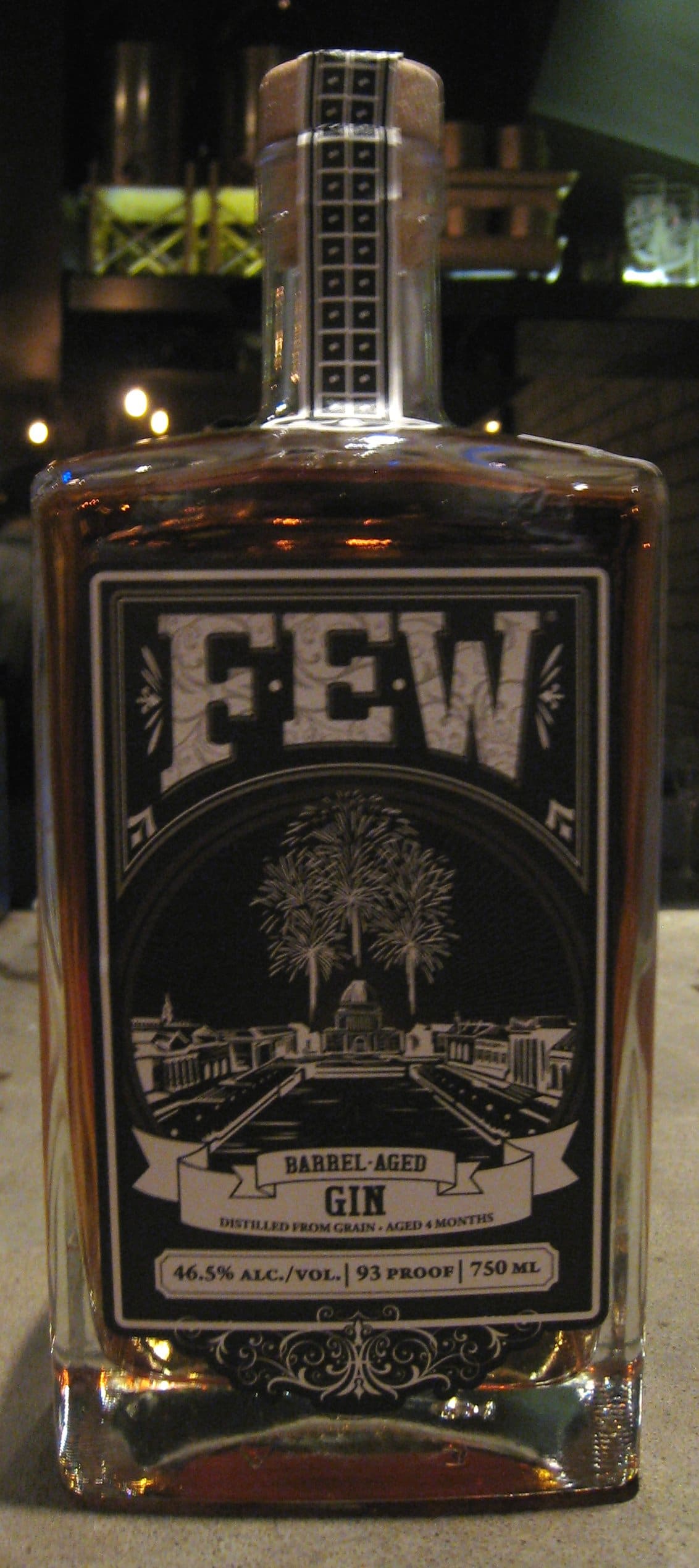
FEW Barrel Gin sits at a crossroads that few spirits occupy successfully. It's a gin aged in American oak barrels — a process that gives it the golden colour, vanilla sweetness, and tannic structure of a bourbon while retaining the botanical character that defines gin. The inclusion of hops (a nod to Evanston, Illinois' history with the Temperance movement, whose leader Frances Elizabeth Willard provides the distillery's initials) adds another layer of complexity and another point of difference.
This is not a gin for gin purists. It's a gin for whiskey drinkers who want to explore, for cocktail enthusiasts who want a versatile modifier, and for anyone curious about what happens when oak and juniper meet.
The Distillery
FEW Spirits was founded in 2011 by Paul Hletko in Evanston, Illinois — a city that was once the headquarters of the American Temperance movement. There's a delicious irony in that, and Hletko leans into it with good humour. The distillery produces whiskey, gin, and various limited releases, all with a craftsman's attention to detail and an experimental spirit.
The Barrel Gin starts as a traditionally distilled gin, made with juniper, cassia, grains of paradise, citrus peels, vanilla, and hops. It's then aged in charred new American oak barrels — the same type used for bourbon — for an undisclosed period. The oak ageing transforms the spirit, adding colour, softening the botanicals, and introducing vanilla, caramel, and tannin. It's a process that requires careful judgment: too little time and the oak is superficial; too much, and the gin's botanical identity gets buried.
Tasting
The nose announces the barrel influence immediately. Toasted oak and vanilla custard lead, warm and inviting in the way a good bourbon nose should be. But juniper resin is right there too, asserting the gin's identity with confidence. Citrus peel — both lemon and orange — adds brightness, while cassia bark contributes a cinnamon-like warmth. There's a faint hop bitterness in the background that's subtle but distinctive, adding a savoury note that sets this apart from other barrel-aged gins.
On the palate, FEW Barrel Gin is full-bodied and complex. Oak vanillin provides the foundation — sweet, warm, and immediately familiar to anyone who drinks aged spirits. Caramel sweetness from the charred barrels adds richness, while juniper pushes through the oak with spiced, resinous authority. Grains of paradise contribute a peppery warmth that complements the barrel heat, and citrus brightness prevents the heavier elements from becoming ponderous. The hops add their signature bitterness, providing a savoury edge that lifts the finish. At 46.5%, there's real weight and substance to the spirit.
Where FEW Barrel Gin impresses most is in the balance between gin and whiskey characteristics. Neither dominates entirely. The juniper is strong enough that this never stops being gin, while the oak influence is deep enough that it genuinely transforms the drinking experience. It's a tightrope walk, and FEW executes it well.
The finish is long and warming. Oak tannins provide structure, vanilla and cassia contribute sweetness and spice, and the close is dry, with hops and juniper having the last word.
How to Drink It
Neat or over a single large ice cube is the best way to appreciate FEW Barrel Gin's complexity. The ice opens it up gradually, revealing new dimensions as the temperature drops and dilution increases. In cocktails, it makes an exceptional Negroni — the oak sweetness and hop bitterness create a darker, more complex version of the classic. It's also superb in an Old Fashioned riff: FEW Barrel Gin, a dash of orange bitters, and a sugar cube.
In a G&T, it's unconventional but surprisingly good. The tonic's quinine bitterness interacts with the hop bitterness, and the oak vanillin provides a sweet counterpoint. Use a robust tonic and an orange twist.
The Bottom Line
FEW Barrel Gin earns a 7 for its successful navigation of the gin-whiskey borderlands. At $40, it's fairly priced for a barrel-aged spirit, and the quality of both the base gin and the barrel ageing is evident. It scores a 7 rather than higher because the barrel influence, while well-integrated, inevitably narrows the botanical complexity that defines the best gins. This is a niche product, but it's an excellent one — a gin for whiskey nights, for brown spirit cocktails, and for anyone who wants to see how far the gin category can stretch.