
First Impressions
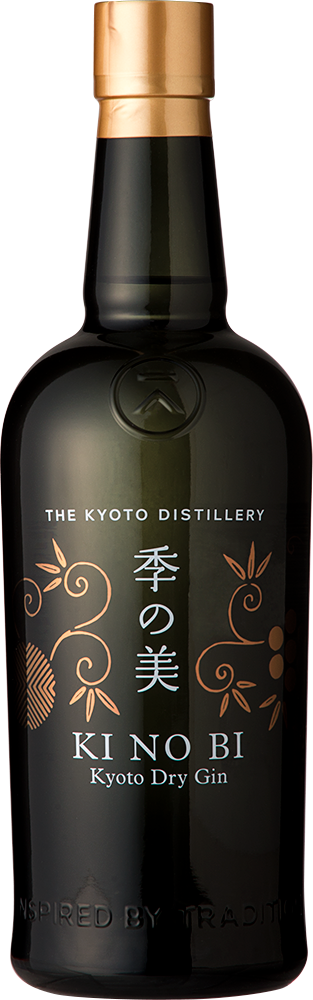
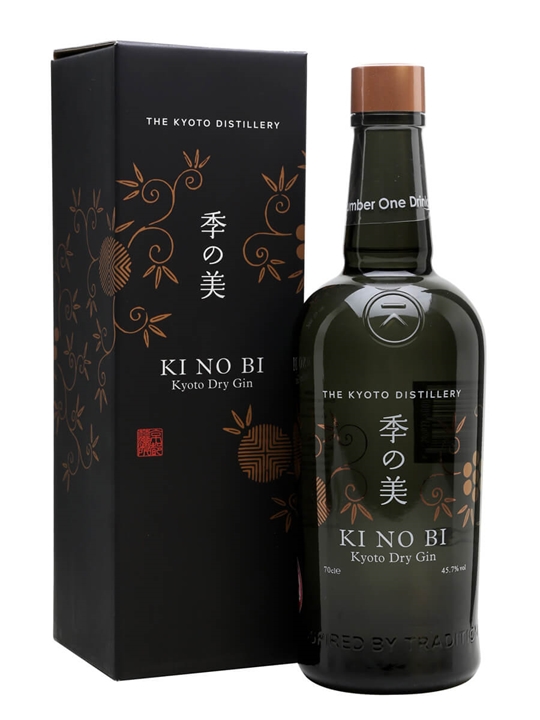
Ki No Bi — "the beauty of the seasons" in Japanese — is one of those rare gins that stops you mid-sip and demands reconsideration of what the category can achieve. I first tasted it at a small bar in Kyoto's Gion district, and the memory has stayed with me for years. It's a gin of extraordinary precision and quiet beauty, the kind of spirit that reveals the depth of thought behind every decision in its creation.
The Kyoto Distillery was Japan's first dedicated gin distillery, and Ki No Bi was their opening statement. It remains their finest.
The Distillery
Founded in 2014, the Kyoto Distillery sits in the Fushimi district, an area renowned for its exceptional water — the same soft, mineral-rich water that has been used for centuries to make sake and tofu. The distillery uses this water not just for dilution but as a fundamental element of the gin's character. Ki No Bi's eleven botanicals are divided into six flavour categories — base, citrus, tea, herbal, spice, and floral — each distilled separately in a small German-made pot still, then blended and proofed with Fushimi water.
This category-based distillation is the key to Ki No Bi's clarity. By isolating each flavour group, the distillers can extract optimal character from each botanical without compromise. The hinoki cypress, for instance, would overwhelm delicate green tea if distilled together. Separately, each reaches its full potential, and the blending stage becomes an act of composition.
Tasting
The nose is captivating. Hinoki wood arrives first — that distinctive, resinous, almost sauna-like aroma that's instantly recognisable to anyone who's spent time in Japan. Yuzu zest follows, bright and complex, then fresh green tea introduces an umami-tinged vegetal quality. Red shiso adds an unusual herbaceousness — earthy, slightly minty, completely unique to Japanese cuisine. Clean juniper and bamboo leaf freshness round things out. It's a nose that tells a story about a specific place and culture.
The palate is where Ki No Bi reaches its peak. The mouthfeel is silky — remarkably so for a gin — and the flavours unfold with a precision I can only describe as architectural. Yuzu brightness leads, followed by a wave of ginger warmth that builds gradually. Green tea provides a savoury, almost umami quality in the mid-palate that's deeply unusual and deeply rewarding. Sansho pepper adds its characteristic numbing tingle, while orris root lends a creamy, violet-tinged softness. And through all of this, juniper is perfectly integrated — present, structurally essential, but never dominating. The 45.7% ABV is exact, providing enough weight to carry the complexity without any heat.
The finish is long and elegant. Hinoki cypress returns, joined by lingering green tea and a warm ginger-sansho fade that seems to last for minutes. It's a finish that invites silence and attention.
How to Drink It
Ki No Bi deserves to be tasted neat first — in a tulip glass, at room temperature, with time. This is a gin that reveals itself slowly, and rushing past it with tonic and ice would mean missing the point. Once you've experienced it on its own terms, a simple G&T with Fever-Tree Indian and a yuzu or grapefruit garnish is superb. Keep the ratio gin-heavy.
In a Martini, Ki No Bi is transcendent. The hinoki and green tea notes interact beautifully with dry vermouth, creating a drink of extraordinary sophistication. Stir it long, serve it cold, and garnish with a shiso leaf if you can source one. I've also had it in a Gimlet at a bar in Pontocho that was genuinely one of the best cocktails of my life — the lime juice drew out the yuzu and ginger, creating something luminous.
The Bottom Line
Ki No Bi earns its 9 not just through quality but through vision. At $55, it's a significant investment, but this is a gin that offers an experience no other bottle can replicate. The Fushimi water, the category-based distillation, the botanicals rooted in Japanese culture — everything serves a purpose, and everything works. For anyone serious about gin, Ki No Bi is essential drinking. For anyone curious about the intersection of Japanese craftsmanship and Western spirit traditions, it's revelatory.