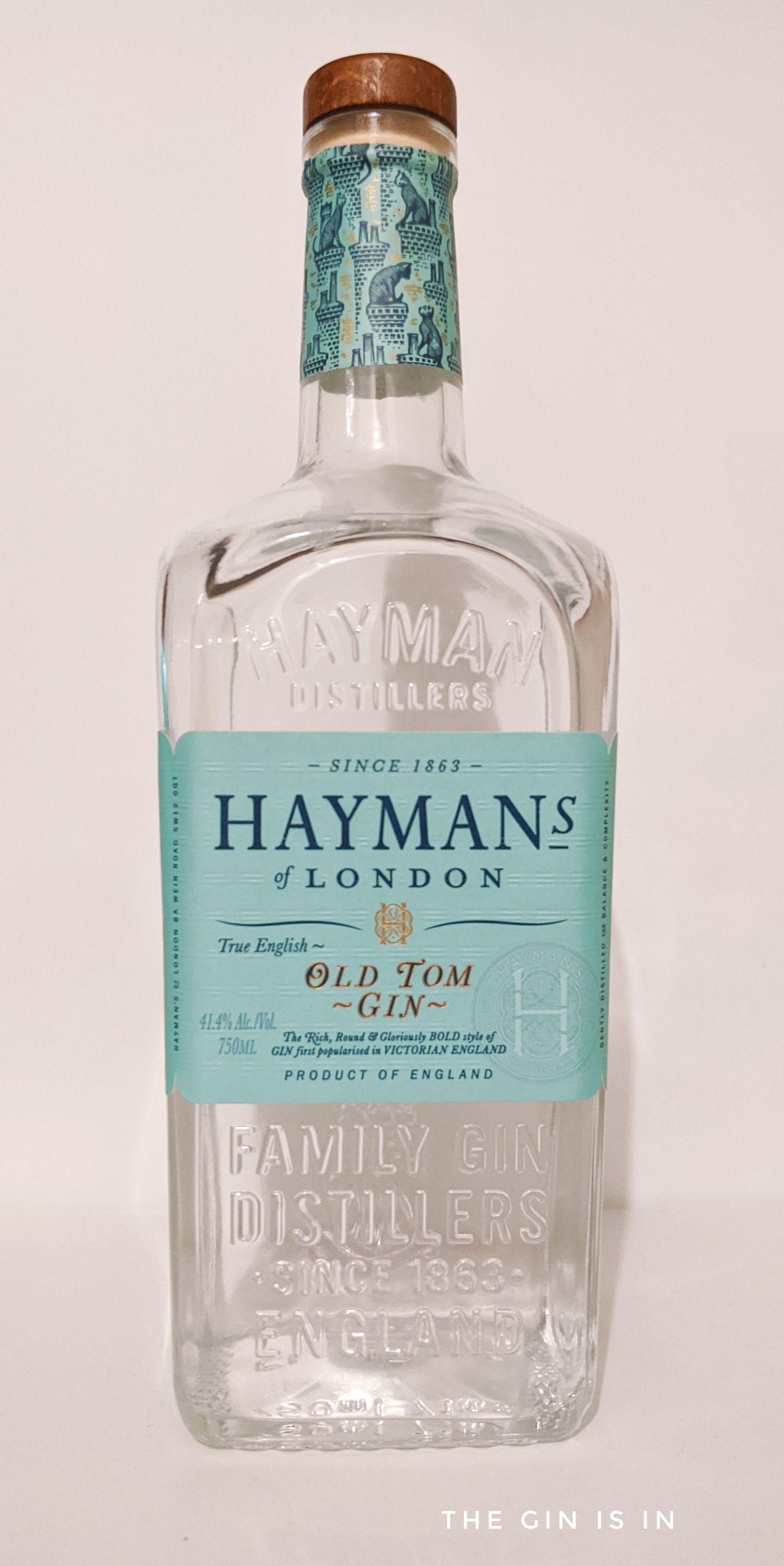

The story begins, as so many good gin stories do, with a cat. In the eighteenth century, when the Gin Craze was at its height and unlicensed gin sales were technically illegal in London, enterprising vendors found a way around the law. They would mount a wooden plaque in the shape of a black cat — an "Old Tom" — on the outside wall of a building. Beneath the cat's paw was a slot for coins and a small lead pipe. A thirsty Londoner would deposit a penny in the slot, and a measure of gin would be poured down the pipe from inside. The vendor never saw the customer; the customer never saw the vendor. Both remained, in the eyes of the law, blameless.
Whether this story is entirely true is a matter of some debate. But the name stuck, and by the nineteenth century, Old Tom had become the dominant gin style in Britain — sweeter, softer, and more approachable than the harsh, unrefined spirits of the Gin Craze era, but not yet as austere as the London Dry style that would eventually supplant it.
What Old Tom Is
Old Tom occupies the middle ground between genever (the malty, whisky-like Dutch ancestor of gin) and London Dry (the crisp, bone-dry style that dominates today). It is sweetened — typically with sugar, though some historical recipes used liquorice or honey — and the result is a gin that is rounder, softer, and more forgiving on the palate than London Dry.
The sweetness is not cloying. A well-made Old Tom adds perhaps 2-6 grams of sugar per litre — enough to take the edge off the juniper and create a smoother, more mellow spirit, but not enough to make it taste like a liqueur. Think of it as the difference between a brut and a demi-sec champagne: the sweetness is a stylistic choice, not an indulgence.
The Rise, Fall, and Return
Old Tom's dominance lasted roughly a century. From the 1750s to the 1850s, it was the gin of choice in Britain's pubs, clubs, and parlours. It was the gin used in the original Tom Collins (named, so the story goes, after the style rather than any particular bartender). It was the gin that the Victorians drank, and the gin that fuelled the great age of cocktail invention in the second half of the nineteenth century.
Its decline was slow and then sudden. As distillation technology improved and column stills produced cleaner, purer base spirits, the need for sweetness to mask rough edges disappeared. London Dry — crisper, drier, and perceived as more sophisticated — gradually overtook Old Tom in popularity. By the early twentieth century, Old Tom had all but vanished from the market. By the 1960s, it was essentially extinct. You could not buy it, even if you wanted to.
The revival began, fittingly, in the cocktail bars of London and New York. As bartenders in the early 2000s began researching historical cocktail recipes, they kept encountering references to Old Tom gin — in Tom Collins recipes, in Martinez recipes (the precursor to the Martini), in Ramos Gin Fizzes and John Collinses and dozens of other classic drinks. They needed Old Tom to make these drinks properly, and Old Tom did not exist.
The Modern Revival
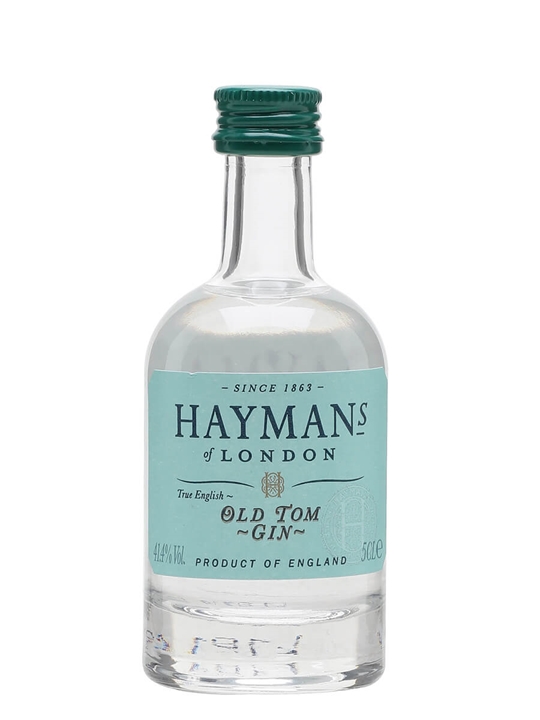
Hayman's was among the first to respond. The family distillery — which traces its gin-making heritage back to 1863 — launched Hayman's Old Tom in 2007, based on a family recipe from the Victorian era. It was a revelation: gently sweetened, with a rich, full-bodied character and a warmth that made London Dry seem almost austere by comparison.
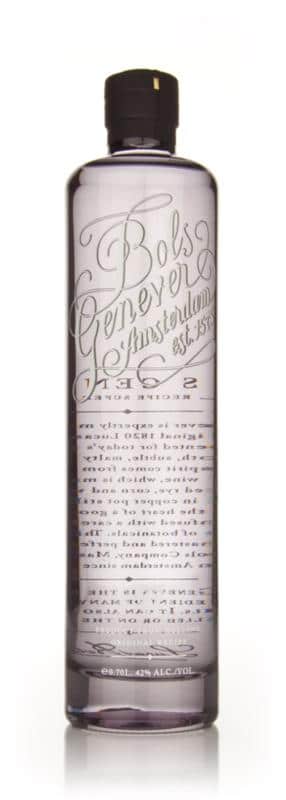
Others followed. Jensen's Old Tom, created by Christian Jensen in Bermondsey, used a recipe from the 1840s and quickly became a darling of London's cocktail scene. Both's Old Tom, from the Netherlands, offered a more genever-influenced interpretation. Ransom Old Tom, from Oregon, aged its gin in wine barrels, producing a spirit that blurred the line between gin and whisky in the most delicious way imaginable.
Today, Old Tom remains a niche style — it will never challenge London Dry for market share — but it has been firmly re-established in the gin canon. Any serious cocktail bar stocks at least one Old Tom, and any serious gin enthusiast should have a bottle on their shelf.
Why Old Tom Matters
Old Tom matters because it is a bridge. It connects the modern gin drinker to the spirit's history — to the flavours and textures that our predecessors knew, to the drinks that were invented with this style specifically in mind. You cannot make a proper Martinez without Old Tom. You cannot make a historically accurate Tom Collins without it. And you cannot fully understand the evolution of gin — from genever to Old Tom to London Dry to the contemporary styles of today — without tasting the style that sits at the heart of that progression.
It also matters because it is simply, unambiguously delicious. The gentle sweetness rounds out the botanicals, the fuller body gives the spirit more presence on the palate, and the overall effect is a gin that is warmer, more generous, and more inviting than its drier cousins. If you have a friend who says they do not like gin, give them an Old Tom. You may change their mind.
The black cat is back on the wall. The pipe is flowing. All you need is a penny and an open mind.