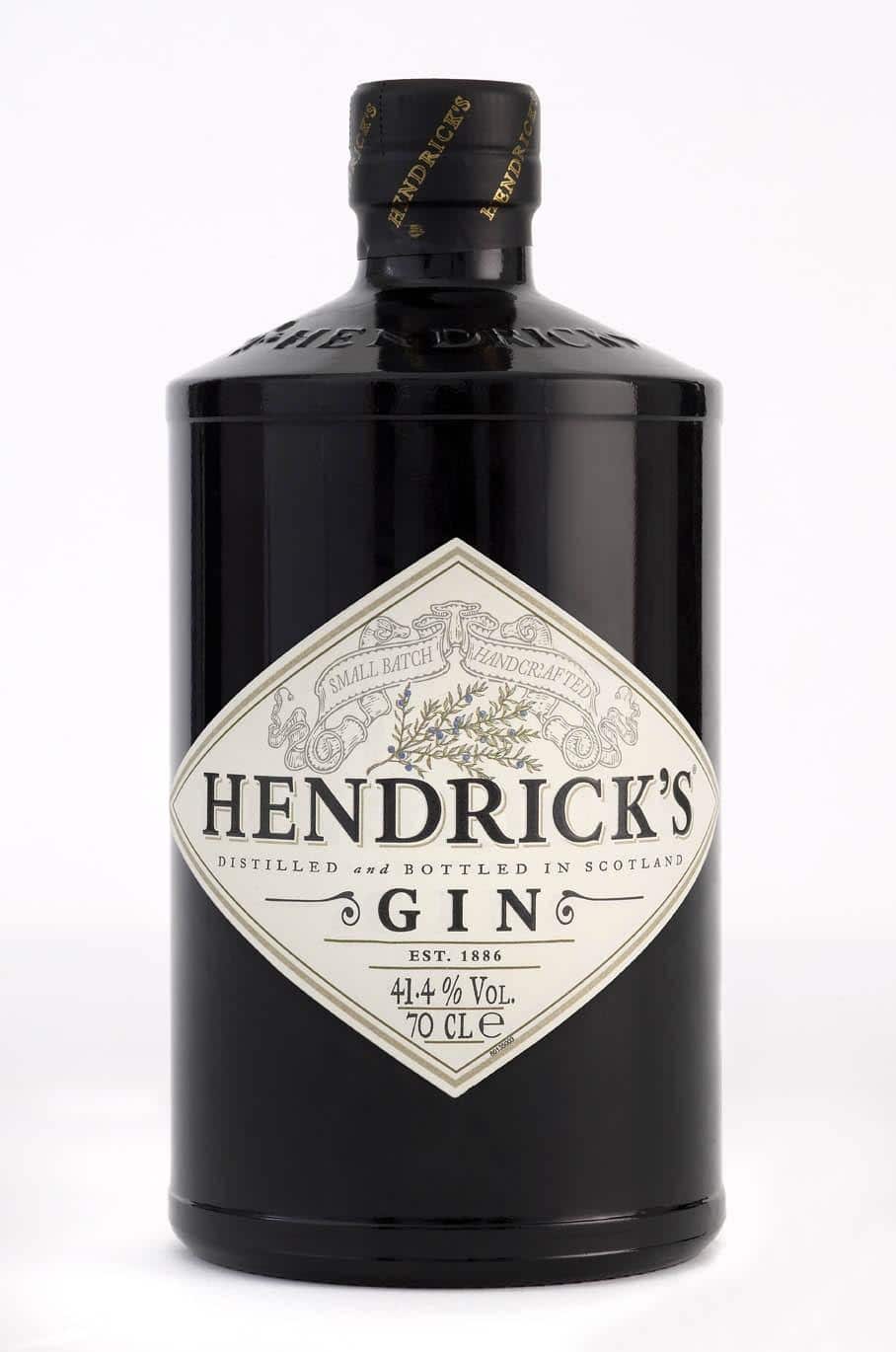
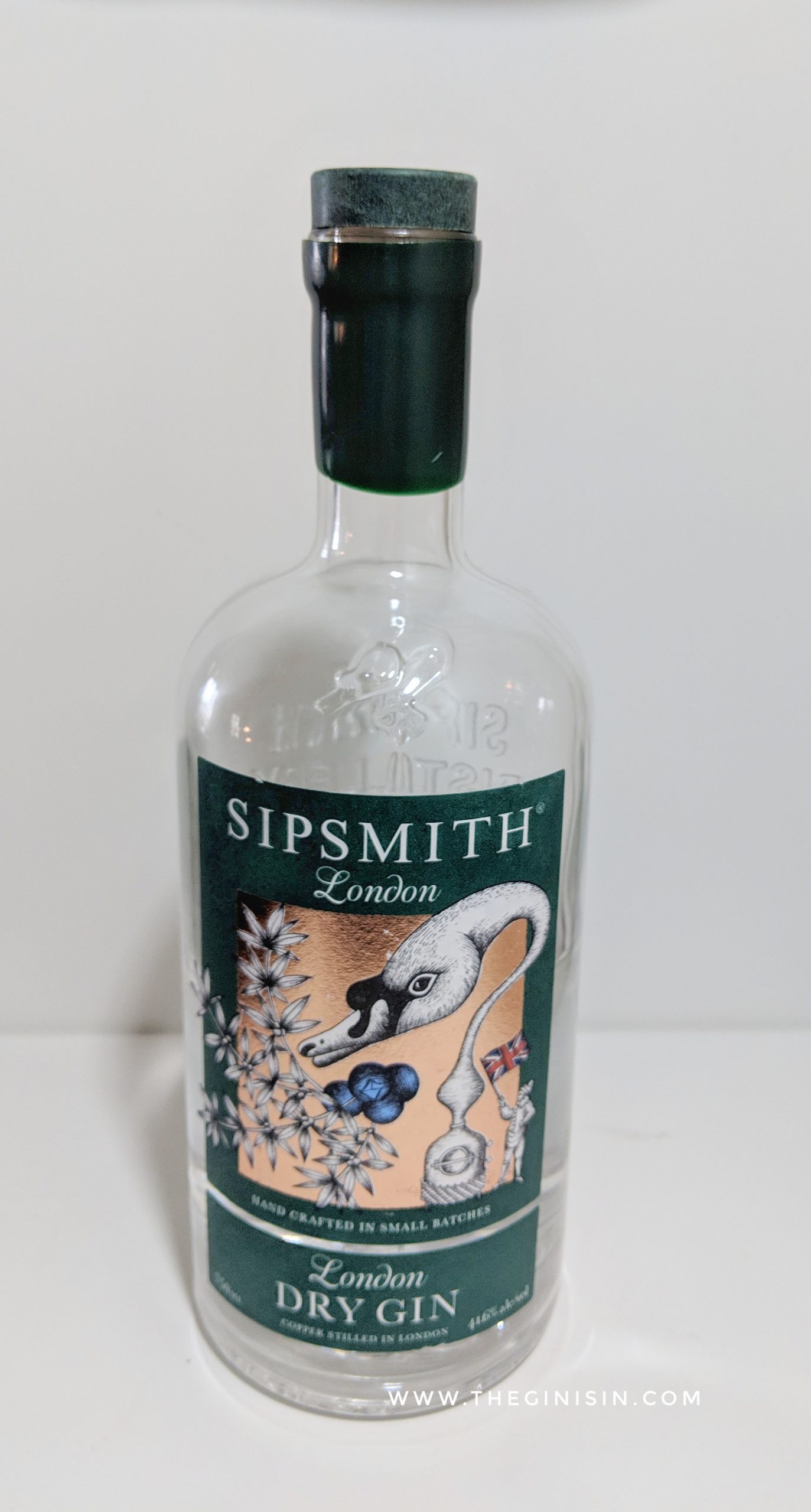

The United Kingdom is now home to more than 1,000 licensed gin distilleries, according to new figures from the Wine and Spirit Trade Association, crossing a threshold that seemed almost inconceivable when the modern gin boom began. The WSTA's annual industry report, published this week, records 1,017 gin distilleries holding active licences as of November 2025 — up from 941 at the end of 2024 and a staggering increase from just 152 in 2013, the year many date as the starting gun of the gin renaissance.
The headline number is impressive, but the story beneath it is more nuanced than a simple tale of relentless expansion. Having spoken with distillers, trade body officials, and industry analysts over the past fortnight, I can report that the UK gin industry is entering a new phase — one defined less by growth and more by consolidation, competition, and the hard work of building sustainable businesses.
The Details
Scotland leads the way with 287 licensed gin distilleries, followed by England with 584, Wales with 89, and Northern Ireland with 57. The geographic distribution has shifted notably over the past three years: while London and the south-east were the early centres of the craft gin boom, the fastest growth is now in rural and coastal areas, where distillers are leveraging local botanicals and tourism to build distinctive brands.
"The map of UK gin has changed dramatically," said Miles Beale, Chief Executive of the WSTA. "Ten years ago, this was a London-centric story. Now you have thriving gin scenes in the Scottish Highlands, in Cornwall, in rural Wales, in the Antrim coast. Gin has become genuinely national, and that's tremendously positive for regional economies."
The 76 net new distilleries in 2025 represent a slowdown from the peak years of 2018-2020, when over 100 new distilleries were opening annually. This deceleration is not, most observers agree, a sign of declining interest but rather a natural maturation of the market. The barriers to entry, while still lower than for whisky or brandy, have risen as consumers become more discerning and competition for distribution intensifies.
"The days of 'build a still, buy some juniper, sell gin' are over," said Abigail Clephane, co-founder of Bothwell Gin in Lanarkshire. "Consumers can tell the difference between a genuinely crafted product and a me-too brand. You need a real story, real quality, and real commitment to succeed now."
The WSTA data also reveals a less celebrated but equally important figure: 47 gin distilleries ceased trading in 2025, up from 31 in 2024 and 18 in 2023. While the net number of distilleries continues to grow, the accelerating rate of closures signals that the market is correcting. Many of the closures were among small operations that launched during the pandemic gin boom of 2020-2021 and struggled to build sustainable distribution or brand recognition.
Industry Context
The 1,000-distillery milestone places the UK gin industry in interesting company. Scotland alone has more gin distilleries than it has Scotch whisky distilleries (approximately 150 active malt and grain distilleries). Across the UK, gin distilleries now outnumber breweries for the first time — a statistic that would have provoked disbelief a decade ago.
The economic contribution is substantial. The WSTA estimates the UK gin industry supports approximately 14,000 direct jobs and contributes £2.6 billion to the UK economy annually, including production, distribution, retail, and gin tourism. Excise duty on gin brought in £732 million to the Treasury in the 2024-25 fiscal year.
However, the duty burden remains a contentious issue. The UK's spirits duty rates are among the highest in Europe, and the industry has lobbied persistently for reform. "Every bottle of gin sold in the UK carries more in duty than most gin brands charge for the liquid itself," said Beale. "That creates a structural disadvantage for UK producers competing against imports from lower-duty jurisdictions."
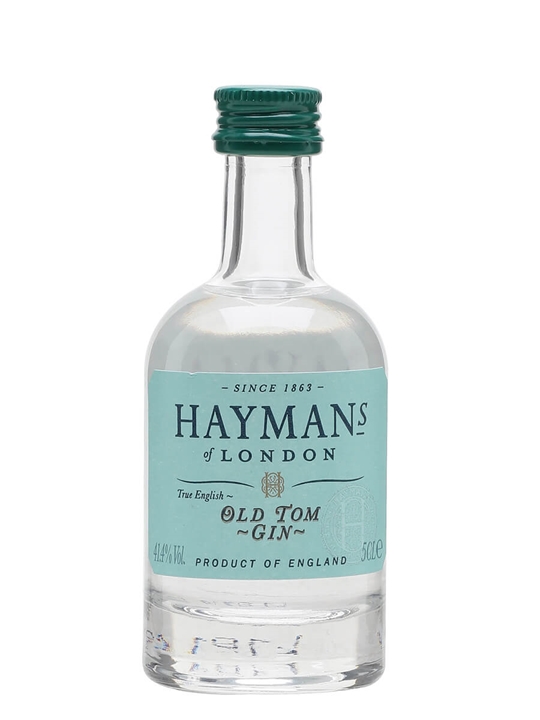
The shape of the industry is also evolving. A growing number of gin brands operate on what's known as the "asset-light" model — they develop their own recipes and brands but contract production to established distilleries rather than operating their own stills. Thames Distillers, Langley Distillery, and Hayman's all produce gin on contract for dozens of brands. Estimates suggest that up to 30% of the UK's 1,000+ "distilleries" operate primarily or partly on this basis.
"There's nothing wrong with contract distilling — some excellent gins are made that way," said Charles Maxwell of Thames Distillers. "But consumers deserve transparency about how their gin is made. If a brand gives the impression it's hand-crafted in a small distillery when it's actually produced in a large industrial facility, that's a problem."
What's Next
Industry consensus suggests the UK will reach a plateau of approximately 1,100-1,200 gin distilleries within the next two to three years, with new openings roughly balanced by closures. The market will increasingly reward brands with clear differentiation — whether through unique botanicals, strong local identity, exceptional quality, or innovative formats.
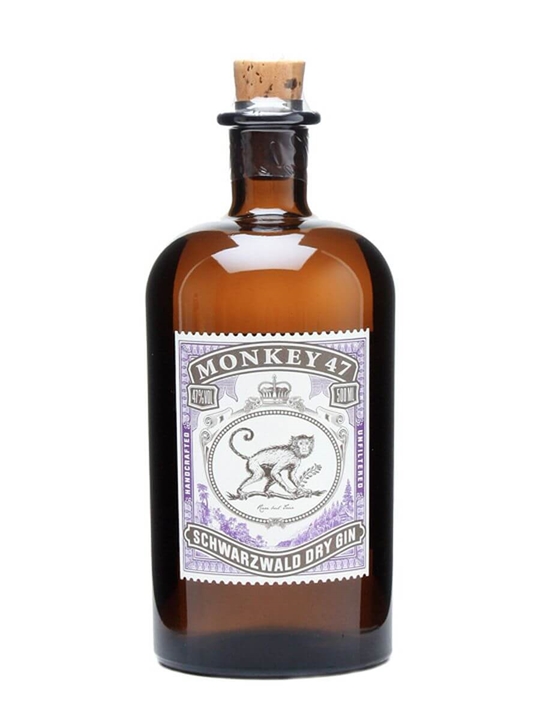
Three trends are worth watching. First, the growth of gin tourism as a revenue stream: more distilleries are investing in visitor experiences, and VisitBritain now includes gin distillery tours in its international marketing materials. Second, the rise of non-alcoholic gin as a parallel category — Seedlip, Lyre's, and CleanCo are all growing rapidly, and several traditional gin distillers are launching their own zero-proof lines. Third, consolidation: as smaller distillers struggle and larger ones seek growth through acquisition, expect to see more deals like Diageo's purchase of Chase Distillery and Pernod Ricard's acquisition of Monkey 47.
One thousand distilleries. It is a number that speaks to the extraordinary creativity, entrepreneurialism, and sheer bloody-mindedness of the British spirits industry. Not all of them will survive, but the best of them are producing gin of a quality that would astonish the pioneers of a decade ago. The boom may be over; the golden age, arguably, is just beginning.