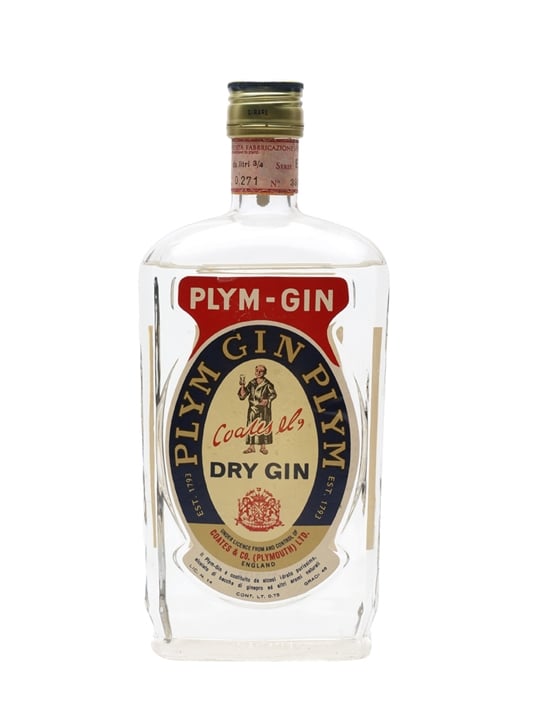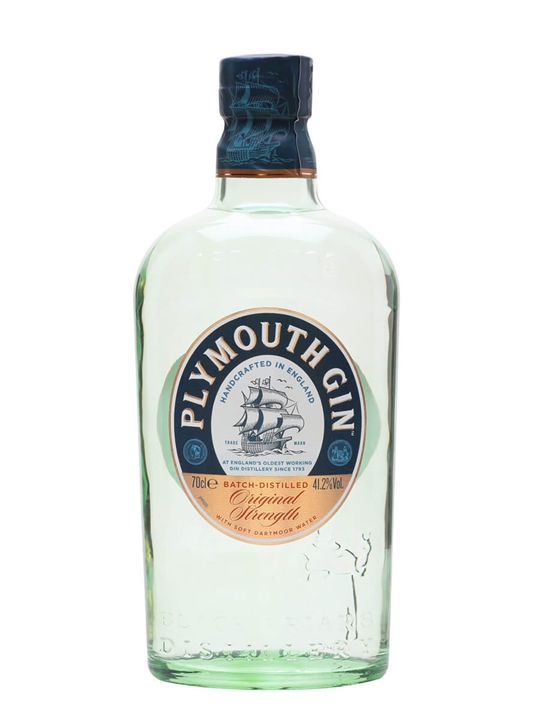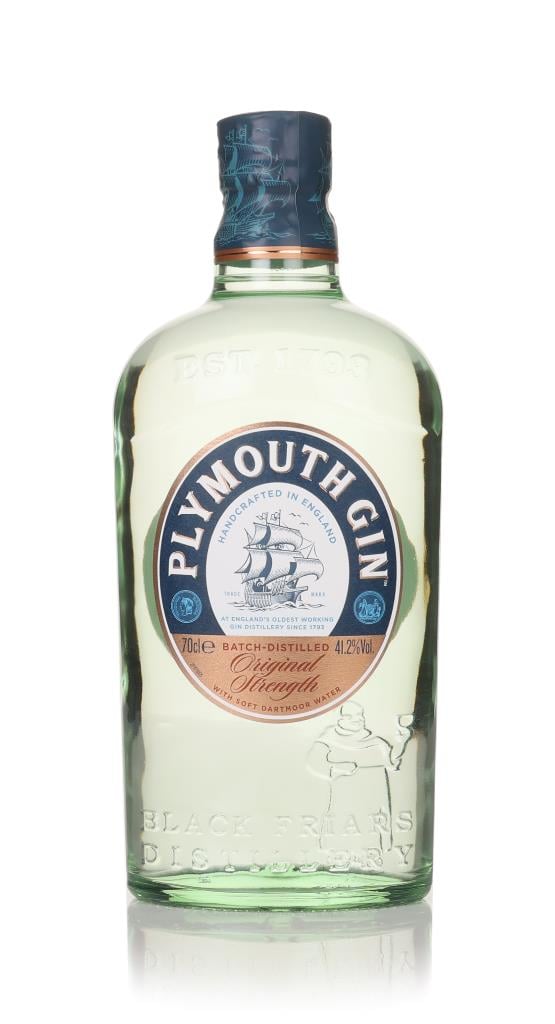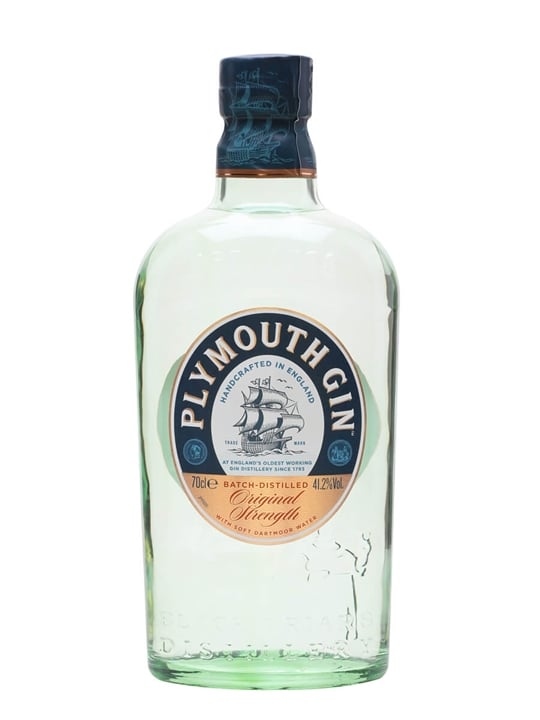
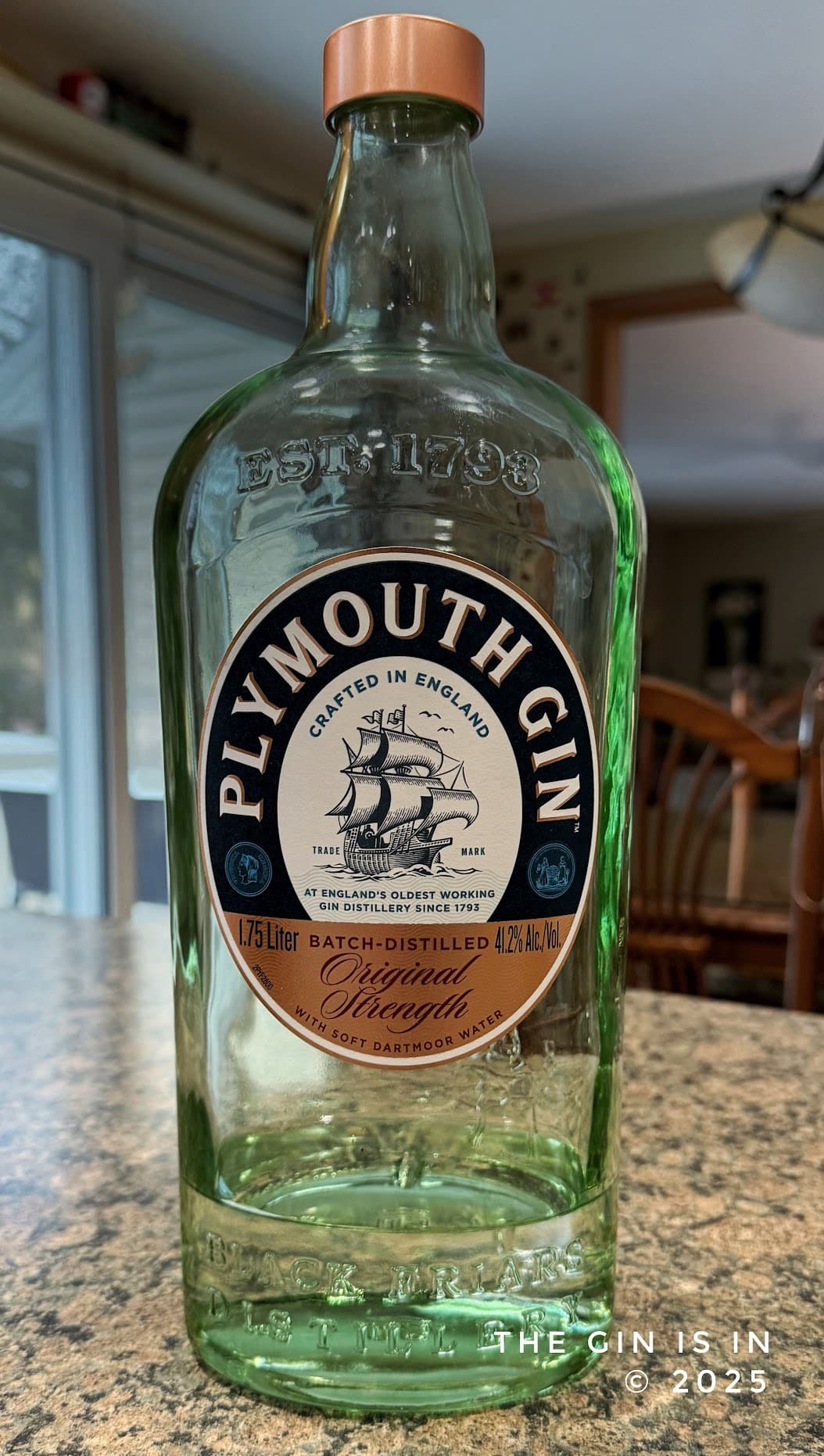

Plymouth Gin occupies a singular position in the spirits world. It is the only gin in England to hold a geographical indication — a legal recognition that Plymouth Gin can only be produced within the city walls of Plymouth, Devon. More specifically, it has been made at the Black Friars Distillery since 1793, making it one of the oldest working distilleries in the country. These are not mere marketing claims; they are statements of historical fact that underpin every sip.
The Plymouth style sits between London Dry and Old Tom — less austere than the former, less sweet than the latter. It uses the same base botanicals as many London Drys — juniper, coriander, orange and lemon peel, angelica root, orris root, and cardamom — but the proportions are adjusted to deliver a softer, more rounded profile. The use of Dartmoor water, naturally soft and low in minerals, contributes to the gin's distinctive smoothness.
On the Nose
The nose opens with juniper, but it is juniper in its gentlest register — rounded and slightly sweet, without the sharp resinous edge of a typical London Dry. Fresh citrus follows, balanced between lemon brightness and orange warmth. There is a subtle earthy quality from the angelica and orris that gives the gin a sense of depth, and a trace of cardamom that adds an exotic whisper to what is otherwise a thoroughly English profile.
The Palate
On the palate, Plymouth reveals its character most fully. The texture is noticeably fuller and silkier than most London Drys, with a slight creaminess that coats the tongue. Juniper provides the structure, but it shares the stage generously with the other botanicals. The citrus is bright but not sharp, the spice warm but not assertive. There is a lovely integration here — a sense that every botanical knows its place and plays its part without competing for attention.
The Finish
The finish is medium-long and clean, with a gentle sweetness that distinguishes it clearly from the bone-dry conclusion of a London Dry. Juniper lingers alongside a soft warmth from the cardamom, and the overall impression is one of quiet satisfaction rather than dramatic intensity.
The Martini Test
Plymouth has historically been specified in many cocktail recipes, and one taste of a Plymouth Martini confirms why. The gin's inherent softness means it marries beautifully with dry vermouth rather than overwhelming it. A 3:1 ratio with Dolin Dry, stirred for thirty seconds and served with a lemon twist, produces what I consider one of the finest Martinis available — balanced, aromatic, and utterly civilised.
It is worth noting that Plymouth's 41.2% ABV, while perfectly adequate for most applications, can leave it slightly underpowered in heavily built cocktails. For Negronis or drinks with multiple bitter components, the Navy Strength expression at 57% is the better choice. But for a gin and tonic, a Gimlet, or that perfect Martini, the standard bottling is precisely right.
In an era of relentless innovation and ever more exotic botanicals, Plymouth stands as a reminder that restraint can be its own form of brilliance. This is a gin that has endured for over two centuries because it does one thing — being excellent, balanced, approachable gin — with absolute conviction. It asks nothing of the drinker except attention, and it repays that attention handsomely.