
First Impressions
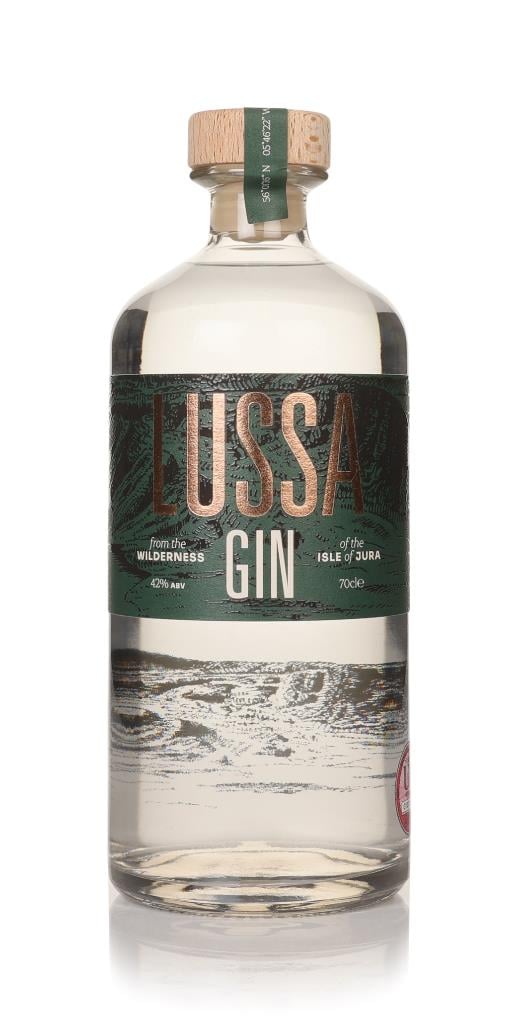
Jura — the wild, deer-haunted island off Scotland's west coast, population around 200 — is home to Lussa Distillery, named after the River Lussa that runs through the island's eastern wilderness. What makes Lussa unique among Scottish gins is the decision to freeze their botanicals rather than dry them. Fifteen ingredients — lemon thyme, water mint, bog myrtle, sea lettuce, Scots pine needles, elderflower, honeysuckle, rose petals, rosehip, lime blossom, ground elder, lemon balm, coriander, orris root, and juniper — are grown and gathered on the island, then frozen fresh to preserve their aromatic intensity.
Tasting
The nose is immediately citrusy from lemon thyme and lemon balm — the frozen-fresh technique preserving a zesty vibrancy. On the palate at 42%, juniper leads with smooth floral notes: aromatic water mint and bog myrtle from the moor, then savoury ground elder and sea lettuce — the bright green seaweed Ulva, harvested from Jura's icy waters — providing coastal salinity. Scots pine adds forest depth. Honeysuckle contributes sweetness that prevents the savoury notes from dominating. The finish is long and warm, rose petal smoothness with lingering sea salt.
The Bottom Line
Lussa earns an 8 — a gin that genuinely tastes of place. Freezing rather than drying the botanicals is not a gimmick; it produces a freshness and aromatic clarity that sets this apart from other Scottish island gins. The combination of sea lettuce, bog myrtle, and Scots pine creates a landscape in a glass — coast, moor, and forest in three sips. Bronze at the IWSC confirms the quality. Best in a simple G&T with a sprig of fresh mint, or neat where every botanical tells its story. At £43, you are buying a piece of Jura's wilderness.