
First Impressions
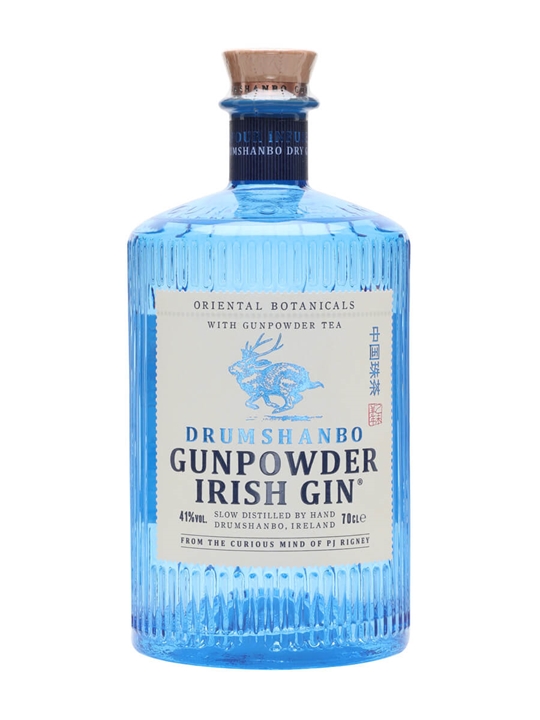
Drumshanbo Gunpowder Gin has had a remarkable rise. From a small distillery in rural County Leitrim, it's become one of Ireland's most visible gin exports, its distinctive ceramic-look bottle now a fixture in bars across Europe and North America. The hook is the gunpowder tea — Chinese green tea rolled into small pellets, historically resembling gunpowder — which adds a smoky, slightly tannic character that distinguishes this gin from the pack.
It's a compelling concept. Whether the execution fully lives up to the marketing is the question worth exploring.
The Distillery
The Shed Distillery in Drumshanbo, County Leitrim, is the work of PJ Rigney, an experienced spirits industry figure who set out to create a world-class gin from one of Ireland's most rural corners. The distillery uses a medieval copper pot still and vapour infusion for its botanicals, with the gunpowder tea added separately as a slow-distilled element that requires particularly careful temperature management.
The oriental influence extends beyond the tea: star anise adds an East Asian dimension to the botanical mix, and there's a deliberate East-meets-West philosophy to the recipe. It's a creative approach, and the care taken in production is evident — this is not a hastily assembled gin riding on a concept.
Tasting
The nose opens with that distinctive gunpowder tea character — a gentle smokiness that's more delicate than you might expect, sitting between green tea and a very faint peat-like quality. Grapefruit zest adds brightness, while star anise provides a warm, liquorice-adjacent aromatic. Meadowsweet contributes a honeyed sweetness, and juniper is clearly present, lending structure. There's a subtle green earthiness underneath everything that I attribute to the tea's influence on the overall character.
On the palate, the tea is the headline act. It provides a slightly tannic, almost savoury quality that's unusual and quite enjoyable. Citrus brightness from grapefruit, lemon, and lime peels lifts the mid-palate, while star anise adds warmth without veering into aniseed territory. Cardamom contributes spice, and elderflower provides a floral sweetness that rounds out the more angular elements. The juniper core is solid — this reads clearly as gin — and the 43% ABV gives it adequate body without aggression.
Where I find Drumshanbo slightly wanting is in integration. The individual elements are all well-chosen, but they don't always coalesce into a seamless whole. The tea and the citrus can feel like they're operating in parallel rather than in harmony, and the star anise occasionally sits apart from the rest. It's a minor criticism, but it's what separates a very good gin from a great one.
The finish is medium, with tea tannins providing structure as the citrus fades. Star anise has the last word, closing things out on a dry, slightly liquorice note.
How to Drink It
A G&T with a good tonic and a slice of pink grapefruit is the ideal serve. The grapefruit amplifies the citrus peel botanicals and complements the tea's bitterness beautifully. Fever-Tree Indian Tonic works well here — you want something with enough quinine bite to match the gin's own tannic quality.
In cocktails, it works nicely in a French 75 where the tea character adds an unexpected dimension to the champagne. I've also had it in a simple Highball with ginger ale, which brings out the star anise warmth effectively. It's less successful in a classic Martini, where the tea tannins can come across as slightly drying.
The Bottom Line
Drumshanbo Gunpowder Gin earns a 7. It's a well-crafted gin with a genuinely interesting concept, and the gunpowder tea adds a dimension you won't find in many other bottles. At $35, the price is fair for what you get. However, the botanical integration doesn't quite reach the seamless harmony of the best contemporary gins, and the gap between the marketing promise and the drinking experience is just wide enough to notice. It's a very good gin. It's not quite the revolutionary one it's sometimes presented as.