
First Impressions
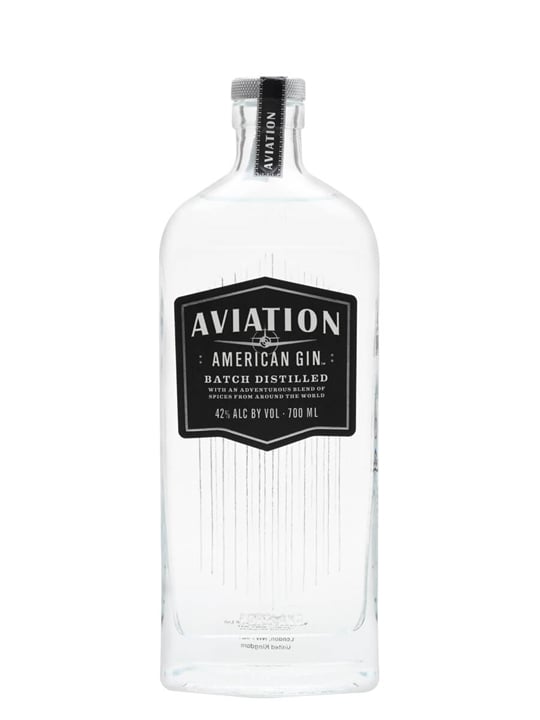
Let's address the elephant in the room: yes, Ryan Reynolds famously acquired a stake in Aviation Gin in 2018, and yes, the marketing has been relentless and genuinely funny ever since. But Aviation existed long before the celebrity connection, and the liquid inside the bottle deserves to be assessed on its own merits. This is a gin that was genuinely ahead of its time when it launched in 2006 — a period when the idea of a juniper-light, lavender-forward American gin was considered borderline heretical.
Credit where it's due: Aviation helped pioneer the New Western style that has since become a legitimate and thriving subcategory.
The Distillery
Aviation was originally created by bartender Ryan Magarian and distiller Christian Krogstad at House Spirits Distillery in Portland, Oregon. The brief was to make a gin that bartenders actually wanted to work with — one where juniper was part of the conversation rather than dominating it. The seven botanicals are macerated overnight before being distilled in a pot still, producing a spirit that's clean, soft, and deliberately approachable.
Production has scaled significantly since the Diageo acquisition in 2020, and there's always a risk that scale dulls the edge of a craft spirit. In Aviation's case, the liquid has remained consistent — a testament to the simplicity and robustness of the original recipe.
Tasting
The nose is soft and inviting. Lavender leads — not the aggressive, soapy lavender of lesser gins, but a rounded, dried-flower character that sits comfortably alongside warm cardamom and gentle juniper. Sweet orange peel adds brightness, while anise seed and sarsaparilla contribute subtle earthiness and spice in the background. It's a clean, uncomplicated nose that signals an easygoing drinking experience.
On the palate, Aviation is smooth and floral. Lavender continues to lead, providing a perfumed quality that's well-judged — just enough to define the gin's character without overwhelming it. Cardamom adds warmth and spice, and juniper, while understated, provides enough structural backbone to keep this firmly in gin territory. Orange citrus lifts the mid-palate, and there's a creamy sarsaparilla undertone that adds an interesting rootsy depth. The mouthfeel at 42% is clean and medium-bodied.
Where Aviation falls short of higher-rated gins is in complexity. The botanical count is small, and while each ingredient is well-integrated, the overall flavour profile doesn't evolve significantly from nose to finish. What you smell is largely what you taste, which makes for easy drinking but limits the gin's ability to surprise or challenge.
The finish is medium and clean, gently floral with cardamom warmth and a dry, spiced close. Pleasant and undemanding.
How to Drink It
Aviation was designed by a bartender for bartenders, and it shows. This gin mixes beautifully. A classic Aviation cocktail (the gin's namesake, with maraschino liqueur, crème de violette, and lemon juice) is the obvious starting point and a genuinely excellent drink. The lavender and floral notes harmonise perfectly with the crème de violette.
In a G&T, keep it simple: Fever-Tree Indian Tonic and a grapefruit twist. The citrus lifts the lavender and cardamom nicely. It's also a solid choice for a Tom Collins or any cocktail where you want the gin to be a team player rather than a soloist.
The Bottom Line
Aviation earns a 7 for being a well-made, approachable gin that delivers consistent quality at a fair price. At $30, it's excellent value for everyday drinking and cocktail-making. It doesn't have the depth or complexity to compete with the top tier of contemporary gins, but that was never really its ambition. Aviation wanted to make gin accessible, and it succeeded. For anyone who's been intimidated by juniper-heavy gins, this is a welcoming entry point with genuine craft credentials behind it.