
The International Wine & Spirit Competition has unveiled the shortlist for the 2026 World Gin Awards, and the numbers tell a remarkable story about the globalisation of gin. A record 2,340 gins from 34 countries were entered this year — up 18% on 2025 — with first-time submissions arriving from Kenya, Colombia, and Vietnam. The shortlist, published yesterday, features 187 gins across twelve categories, and the final winners will be announced at a ceremony in London on 28 March.
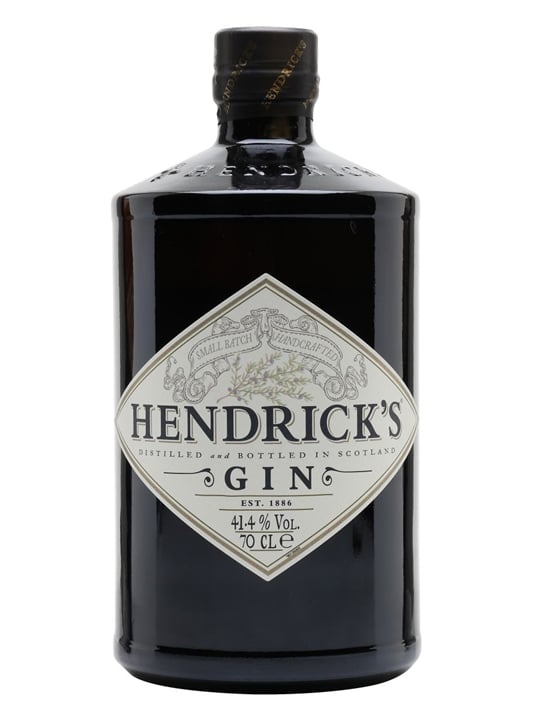
Having attended the announcement at the IWSC's Mayfair offices, I can report that the judging panel — which included Master of Wine Tim Atkin, veteran distiller Lesley Gracie of Hendrick's, and cocktail historian David Wondrich — described this year's field as the strongest they have encountered. The phrase I kept hearing was "nowhere to hide," meaning the standard across the board was so high that even established brands could not coast on reputation alone.
The Details
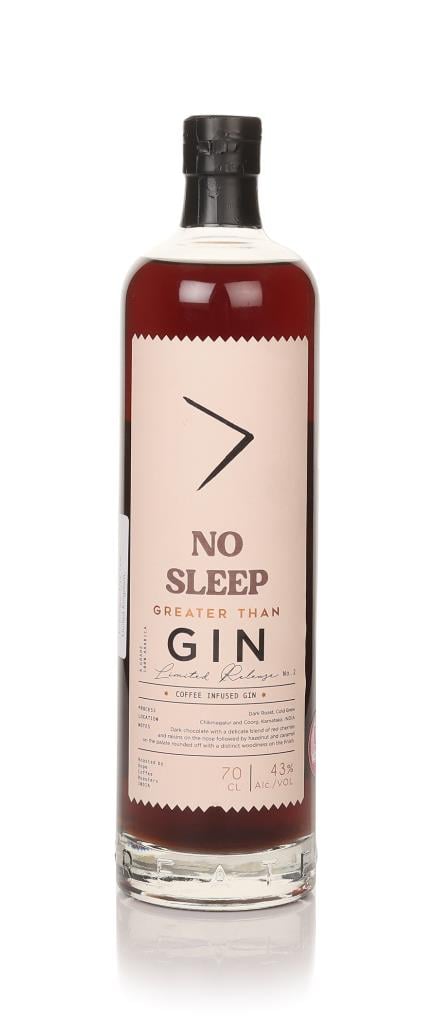
The shortlist is notable for several reasons. First, the geographic spread. While the UK and Spain continue to dominate in raw numbers — contributing 38 and 24 shortlisted gins respectively — the real story is the depth of quality emerging from less traditional gin-producing nations. Japan has eight gins on the shortlist, up from three last year. Australia has seven. India, remarkably, has five, led by Greater Than and Hapusa, both of which are shortlisted in the Contemporary Gin category.
"What we're seeing is the maturation of a global category," said Allen Gibbons, Director of Competitions at the IWSC. "Ten years ago, gin was essentially a British and Spanish story. Now we're tasting extraordinary gins from Goa, from Tasmania, from the Black Forest. The quality floor has risen dramatically."
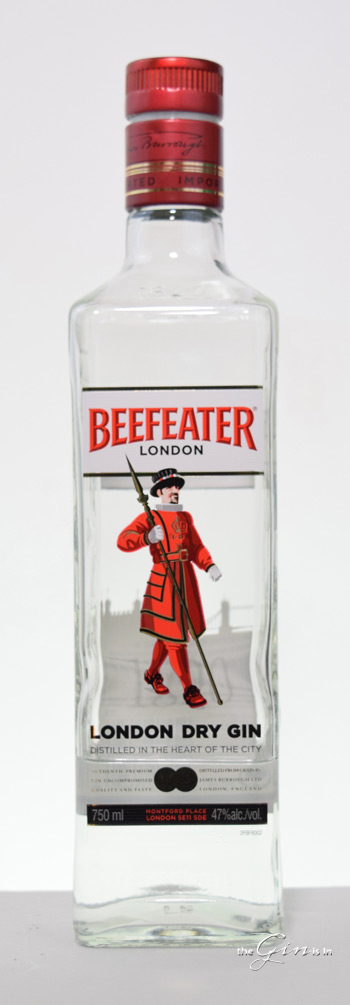
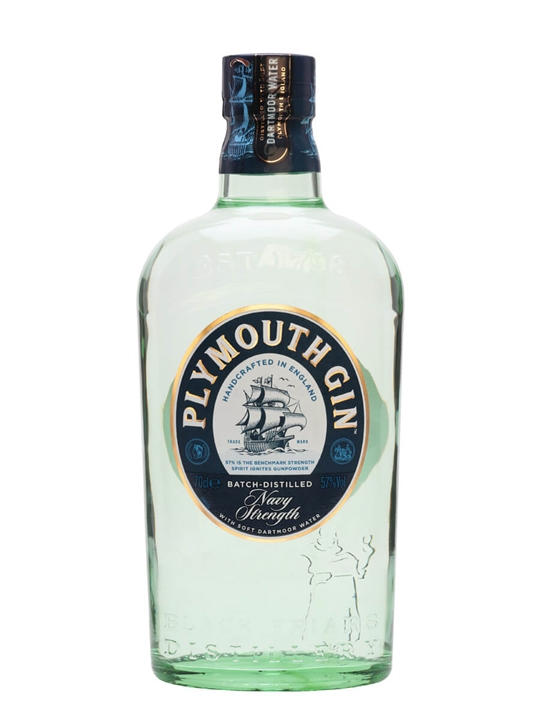
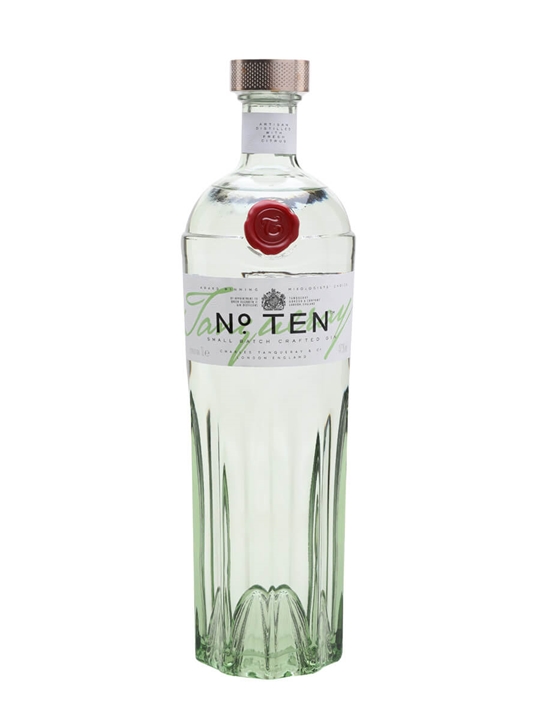
In the London Dry category — still considered the benchmark style by many in the trade — Beefeater 24 and Tanqueray No. Ten are shortlisted alongside relative newcomers like Conker Spirit from Dorset and Colonsay Gin from the Scottish island of the same name. The Navy Strength category features a strong showing from Plymouth, alongside Sweden's Hernö and South Africa's Inverroche.
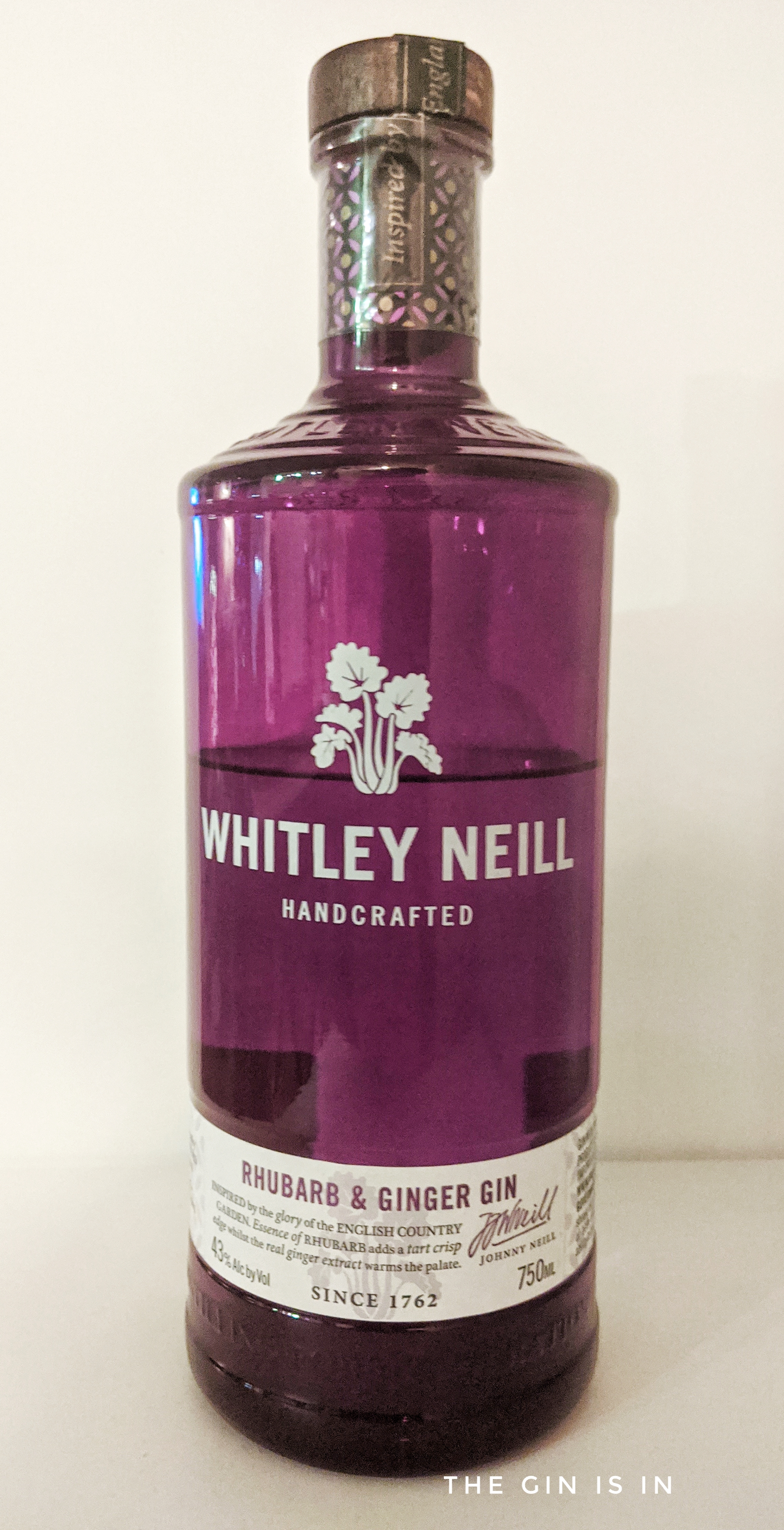
The Flavoured Gin category, which some purists still view with suspicion, has produced the most entries by far — 580 submissions, of which 42 made the shortlist. Whitley Neill's Rhubarb & Ginger, the UK's best-selling flavoured gin, is on the list, but so are more adventurous offerings like a yuzu and shiso gin from Osaka and a baobab-infused expression from Nairobi.
"The flavoured category has grown up," said Gracie, who judged that section. "Three years ago, you'd see a lot of gins that were essentially flavoured vodkas with a bit of juniper thrown in. Now the best flavoured gins are genuinely gin-forward — the added botanicals complement rather than mask the juniper."
Industry Context
The growth in entries reflects a gin market that, while no longer experiencing the double-digit annual growth of the late 2010s, remains remarkably vibrant. The IWSR's latest data shows global gin sales grew by 4.2% in value terms in 2025, driven almost entirely by the premium-and-above segment. Volume growth was a more modest 1.8%, confirming the premiumisation trend that has defined the category for the past five years.
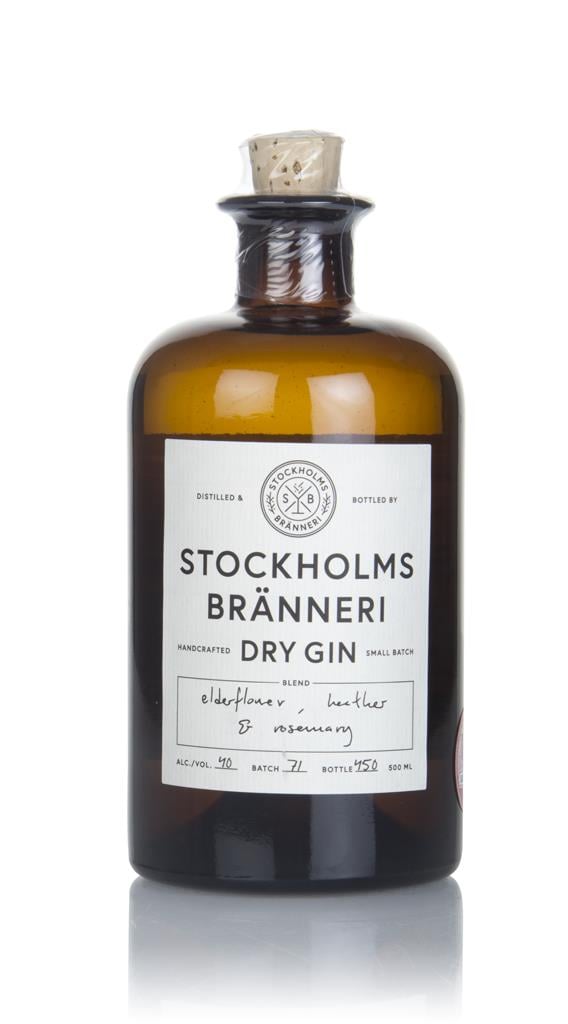
For smaller distillers, the World Gin Awards carry outsized commercial significance. A gold medal or category win can transform a brand's trajectory overnight. I spoke to Magnus Falkenberg, founder of Sweden's Stockholms Bränneri, whose Old Tom Gin won Best in Category at the 2024 awards. "Our export orders tripled in the six months after the win," he told me. "For a small distillery producing 3,000 bottles a month, that was transformational."
The awards also function as a barometer of consumer trends. The rapid growth of the Contemporary and New Western categories — which allow for more creative botanical profiles and less juniper dominance — suggests that drinkers are increasingly adventurous. The emergence of aged gin as a recognised category, with 67 entries this year compared to just 12 in 2022, points to another frontier of growth.
Trade buyers use the shortlist as a scouting tool, and several UK supermarket gin buyers were present at the announcement. One, speaking off the record, told me they would be requesting samples from at least a dozen shortlisted brands they had not previously stocked.
What's Next
The final judging round takes place in early March, with category winners and the overall World's Best Gin announced at a gala dinner at The Dorchester on 28 March. Last year's supreme champion was Spain's Nordés, a Galician gin made with Albariño grapes — a win that sent shockwaves through the industry and doubled the brand's UK distribution within months.
This year, the smart money seems to be on a Japanese gin taking the top prize, reflecting both the extraordinary quality emerging from Japan and the IWSC's apparent desire to highlight the global nature of the category. But as any seasoned awards-watcher knows, predictions are a fool's errand. The only certainty is that the announcement will generate headlines, drive sales, and give gin lovers something new to argue about.
The full shortlist is available at worldginawards.com. I will be at the ceremony and will report on the winners as they are announced.