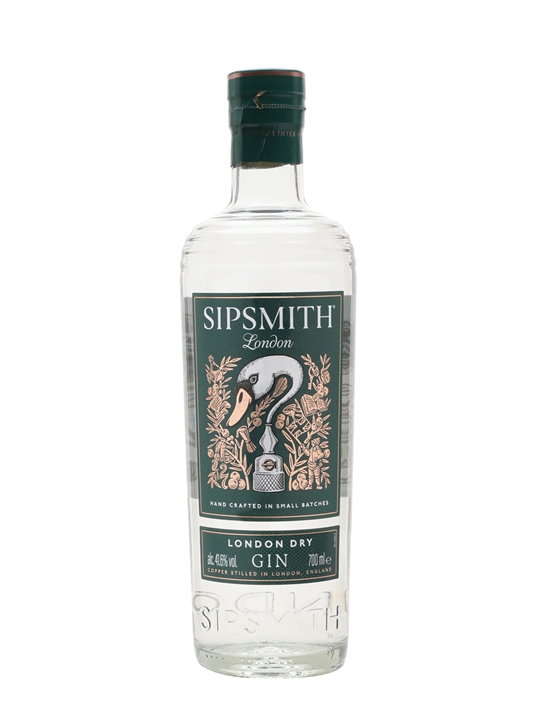

In 2008, Sipsmith's founders — Fairfax Hall, Sam Galsworthy, and master distiller Jared Brown — applied to Her Majesty's Revenue and Customs for a licence to operate a copper pot still in London. Their request was denied. The reason? No new distilling licence had been issued in London for nearly two hundred years, and HMRC could not find the relevant paperwork. It took the best part of a year, and the intervention of an MP, before the licence was granted. Sipsmith's first distillation took place in March 2009, from a 300-litre copper pot still named Prudence, in a garage in Hammersmith.
It is difficult, from the vantage point of the present, to appreciate just how improbable that moment was. London — the city that gave its name to the world's most famous gin style — had, by the early twenty-first century, essentially stopped making gin. The major brands had long since moved their production to larger facilities outside the capital. The craft distilling movement that had transformed American whiskey and Scottish single malt had not yet reached gin. The spirit was, in the words of one industry veteran I spoke to, "the drink your grandmother mixed with tonic at Christmas."
The Spark
Sipsmith changed everything — not because it was the first craft gin (there were a handful of small producers already operating in the UK), but because it was the first to treat gin with the same reverence and ambition that whisky producers brought to single malt. The gin was excellent: juniper-forward, beautifully balanced, and made with the kind of care and transparency that resonated with a generation of drinkers who were increasingly interested in provenance, craft, and authenticity.
The timing was perfect. The cocktail revival, which had been building momentum in London and New York since the early 2000s, had created a new class of discerning drinker — people who cared about what was in their glass and were willing to pay a premium for quality. Simultaneously, the relaxation of UK licensing laws made it easier (though still not easy) for small producers to obtain distilling licences. The barriers to entry were lowering just as demand was rising.
The Explosion
What followed was extraordinary. In 2010, there were a handful of craft gin distilleries in the UK. By 2015, there were over a hundred. By 2020, there were over five hundred. Today, the number exceeds eight hundred, with new distilleries opening every month. Scotland alone has more than a hundred gin producers — a remarkable figure for a country historically synonymous with whisky. The total value of the UK gin market is estimated at over three billion pounds annually.
The growth was driven by several converging factors. First, gin is relatively quick and inexpensive to produce compared to aged spirits like whisky or rum. A craft distiller can go from concept to bottle in a matter of weeks, whereas a whisky producer must wait years (often decades) for their spirit to mature. This low barrier to entry attracted a wave of entrepreneurial producers, many of whom brought backgrounds in food, drink, farming, or design rather than traditional distilling.
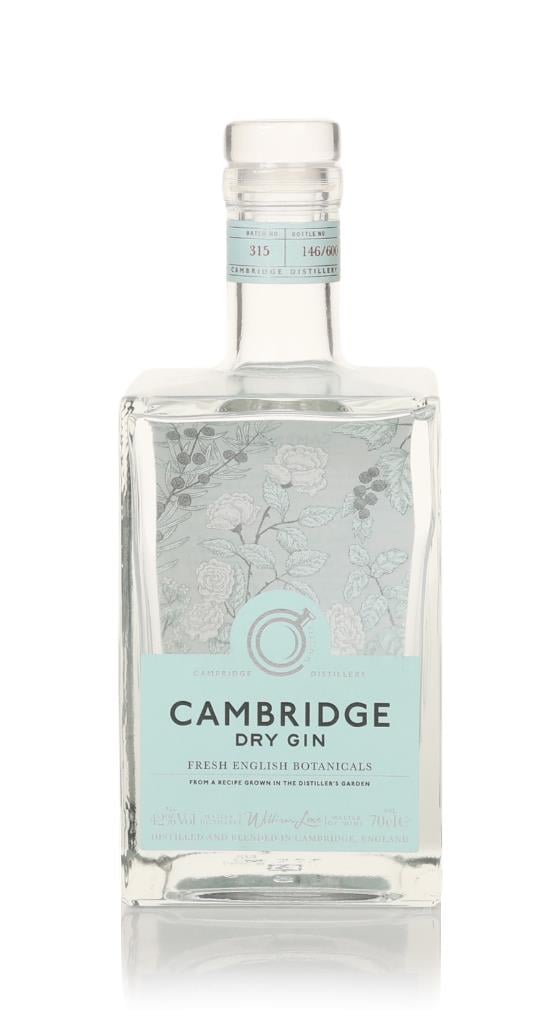
Second, the regulatory framework for gin is broad enough to allow enormous creativity. Provided juniper is the dominant flavour, a distiller can use virtually any botanical they choose — and they have. British craft gins now incorporate everything from seaweed (Isle of Harris) to ants (Cambridge Distillery's Anty Gin, in which formic acid from wood ants provides a distinctive sharpness) to truffles, saffron, and foraged hedgerow fruits.
The Critics
Not everyone is celebrating. Some in the industry argue that the gin boom has diluted the category, that too many gins are poorly made, gimmick-driven, or barely distinguishable from flavoured vodka. The proliferation of "pink gins" — often made by adding fruit flavourings to a base spirit rather than distilling with botanicals — has been a particular flashpoint, with traditionalists arguing that such products damage gin's credibility as a serious spirit.
There is some truth to these concerns. The ease of producing compound gin (a method that involves simply adding flavourings to a neutral spirit without redistillation) has allowed a flood of low-quality products onto the market, many of them driven more by Instagram-friendly packaging than by distilling skill. The gin aisle in a supermarket today can feel overwhelming, and the gap between the best and worst products is wider than in almost any other spirit category.
The Counterargument
But the optimistic view — and it is the view I hold, after visiting distilleries from Cornwall to Caithness — is that the gin renaissance has been overwhelmingly positive. It has created hundreds of small businesses, many of them in rural or economically disadvantaged areas. It has revived interest in botanicals, foraging, and local terroir. It has produced dozens of genuinely world-class gins that rival or exceed anything the traditional houses have made. And it has introduced millions of new drinkers to a spirit that, a generation ago, was in danger of being forgotten.
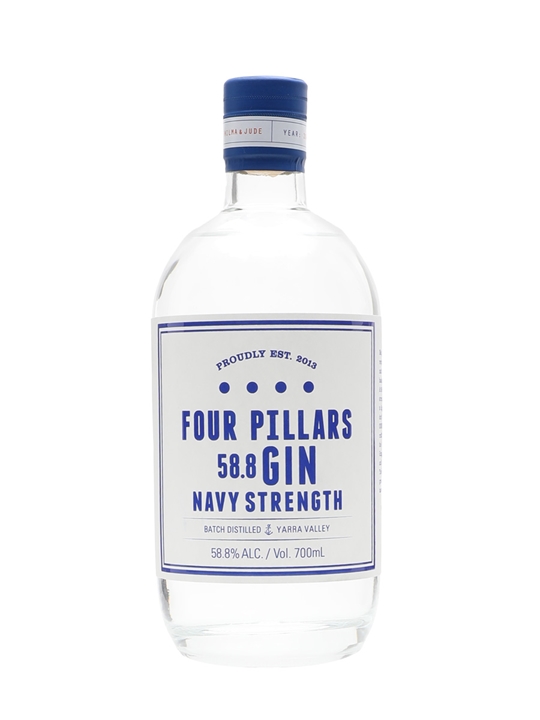
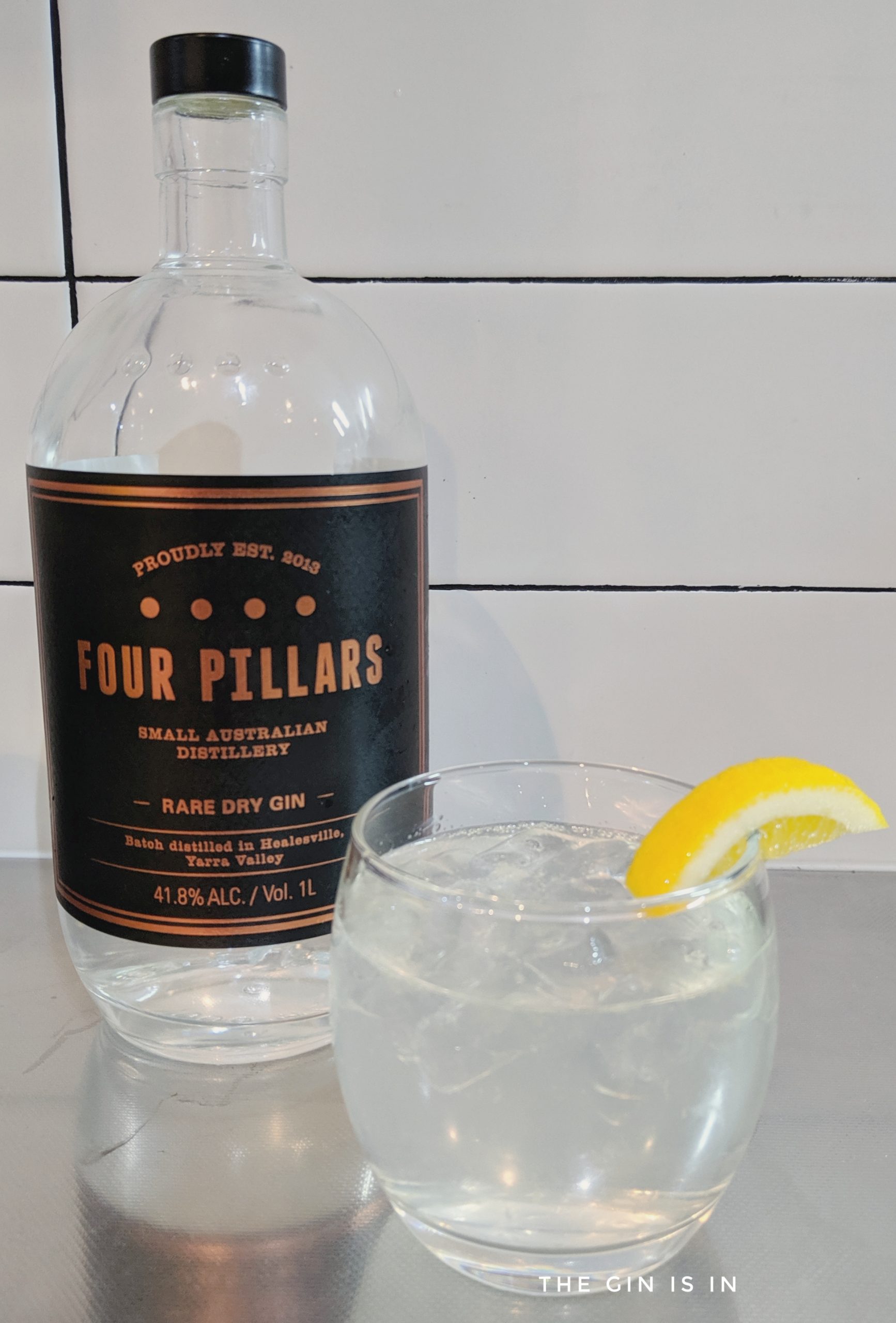
The cream rises. The best craft distillers — Tarquin's in Cornwall, Isle of Harris, East London Liquor Company, Hernoe in Sweden, Four Pillars in Australia — have built reputations based on quality, consistency, and genuine innovation. They are not flash-in-the-pan brands riding a trend; they are serious producers making serious gin, and they are reshaping the category in ways that will endure long after the hype cycle moves on to the next spirit.
What Comes Next
The gin market is maturing. Growth rates have slowed from the giddy peaks of the mid-2010s, and some analysts predict a period of consolidation — fewer new entrants, more closures among the weakest producers, and a flight to quality among consumers. This is probably healthy. Every boom needs a correction, and gin is no exception.
But the spirit's future is bright. Gin is now a global category, with innovative producers emerging in Japan, Australia, South Africa, India, and South America. The flavour possibilities are essentially infinite. And a new generation of drinkers — more curious, more adventurous, and more knowledgeable about spirits than any that has come before — is ready to explore them.
Eight hundred stills and counting. The golden age is not over. It is just getting started.