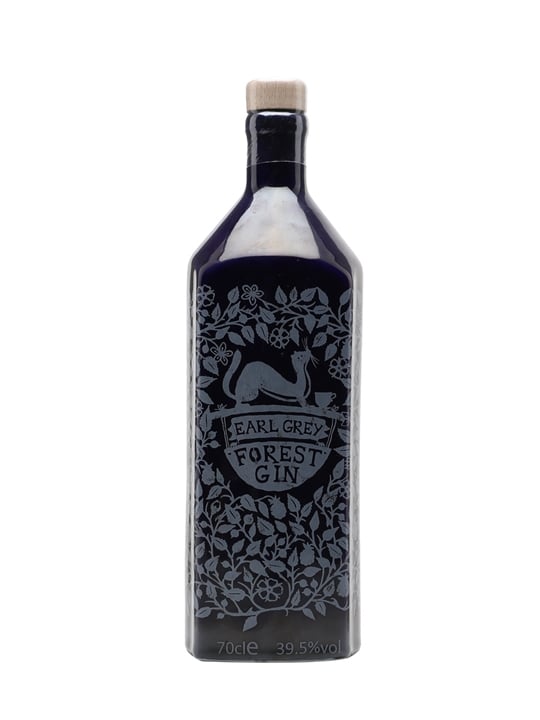

Forest Earl Grey Gin presents an intriguing proposition in an increasingly crowded tea-infused spirits market. At 39.5% ABV, it sits just below the 40% threshold that many purists consider the baseline for a London Dry — a commercial decision, no doubt, that shaves a touch off duty costs while keeping the liquid accessible to a broader audience. It's a move I've seen more frequently from brands positioning themselves at the premium-but-approachable end of the shelf, and at £51.50, this bottle is certainly asking you to take it seriously.
The Earl Grey Angle
The marriage of bergamot-forward Earl Grey tea with juniper is well-trodden ground now, but it remains effective when handled with restraint. The London Dry classification tells us the botanical character here should be juniper-led, with the Earl Grey providing aromatic complexity rather than dominating proceedings. That's the right call — too many tea gins lean so heavily into their signature ingredient that they forget they're supposed to be gin first.
Without confirmed details on the distillery or full botanical bill, there's a degree of opacity here that the modern consumer is increasingly resistant to. Transparency sells, and I'd encourage the brand to lean into provenance storytelling — it matters, particularly at this price point where you're competing against gins with well-documented heritage and open distillery doors.
That said, the Forest Earl Grey Gin delivers a credible and enjoyable drinking experience that earns its place in the contemporary London Dry conversation. I'm giving it a 7.8 — a solid score that reflects a well-conceived product with room to distinguish itself further through transparency and positioning.
Best Served
A classic G&T with a premium Indian tonic and a twist of orange peel. Bartenders will find this works well in an Earl Grey Martini — a serve that practically sells itself by name alone.