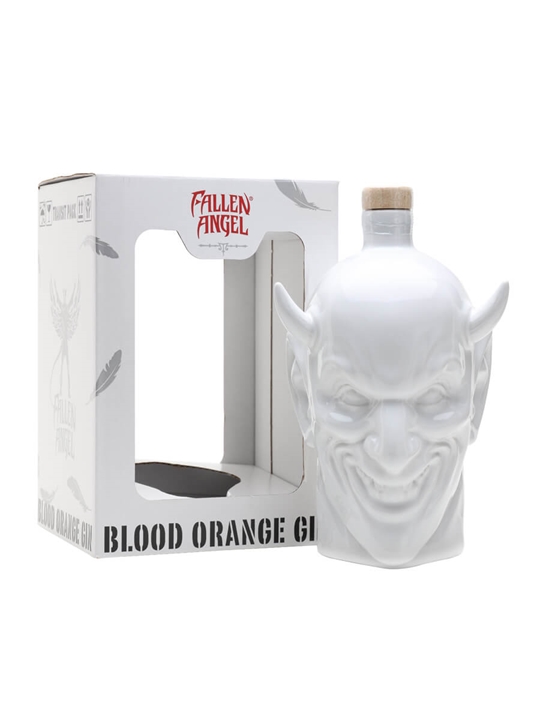

Fallen Angel Blood Orange Gin lands squarely in a category that divides opinion — flavoured gin. Done badly, it's a sugar bomb masquerading as a spirit. Done well, it's a genuine extension of the distiller's craft. At 40.6% ABV, Fallen Angel at least signals intent: this is bottled above the minimum strength for gin, which tells me they want the juniper and botanical backbone to hold its ground against that blood orange character.
Style & Approach
The Fallen Angel range leans into bold, unapologetic flavour profiles, and Blood Orange is arguably their most striking expression. The botanical bill is kept under wraps — a secret mix is all we're told — though juniper and blood orange are confirmed as the headline act. I appreciate that there's no exhaustive list of fifteen botanicals being rattled off for marketing points. Sometimes restraint in what you reveal suggests confidence in what's in the bottle.
What Sets It Apart
Blood orange is not the same as regular orange peel, and that distinction matters. It carries a deeper, almost berry-like citrus quality — think Tarocco oranges from Sicily rather than a glass of Tropicana. In the flavoured gin space, where raspberry and rhubarb dominate the shelves, blood orange feels like a more considered choice. It has natural bitterness and complexity that can genuinely complement juniper rather than bulldoze it.
At the price point of £59.50, this sits in premium territory. That's a fair ask if the balance between fruit character and classic gin structure is well-judged, though it does put Fallen Angel in competition with some excellent London Drys and contemporary gins at similar money. You're paying for a specific flavour experience here, and whether that represents value depends on how often you'll reach for it.
The Verdict
I'm giving Fallen Angel Blood Orange Gin a 7.7 out of 10. The ABV is encouraging, the choice of blood orange over more predictable fruits shows good taste, and the brand's willingness to keep their botanical recipe close to the chest suggests a distiller focused on the liquid rather than the label. Where it loses half a mark is on provenance — with no confirmed distillery or country of origin, there's a transparency gap that serious gin drinkers will notice. Tell us where it's made and who's behind the still, and this score could climb.
Best Served
Skip the classic G&T formula here. Pour 50ml over ice in a rocks glass, add 100ml of Fever-Tree Mediterranean tonic, then float a thin disc of fresh blood orange and a single star anise pod. The anise plays beautifully with citrus-forward gins — it's a trick I picked up at a rooftop bar in Singapore and it hasn't failed me yet. For cocktails, try it in a Negroni riff: equal parts Fallen Angel Blood Orange, Campari, and a dry vermouth. The blood orange should amplify the Campari's bitter citrus notes rather than fight them.