
A new craft distillery has opened in a converted railway arch in Bermondsey, south London, with a mission statement that reads like a provocation in today's gin landscape: to make nothing but traditional London Dry gin. The London Dry Gin Company, founded by former Beefeater head distiller Marcus Sherwood and entrepreneur Priya Mehta, produced its first commercial batch last week and will begin selling through its on-site shop and select London bars from February.
I visited the distillery on its first day of production and found a compact, beautifully designed operation that wears its traditionalism proudly. The centrepiece is a 300-litre copper pot still named Beatrice, built by Arnold Holstein in Germany to Sherwood's exacting specifications. The botanical bill is classical to the point of austerity: juniper, coriander seed, angelica root, orris root, lemon peel, and a single proprietary ingredient that Sherwood will say only is "a variety of liquorice root that took me two years to source."
The Details
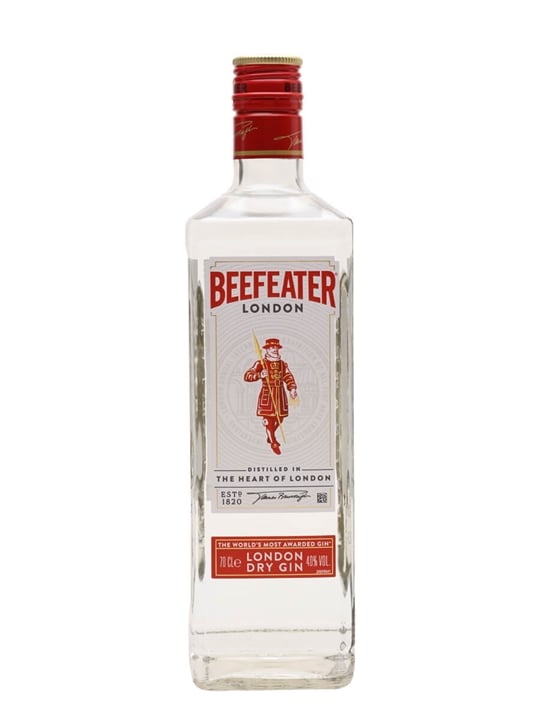
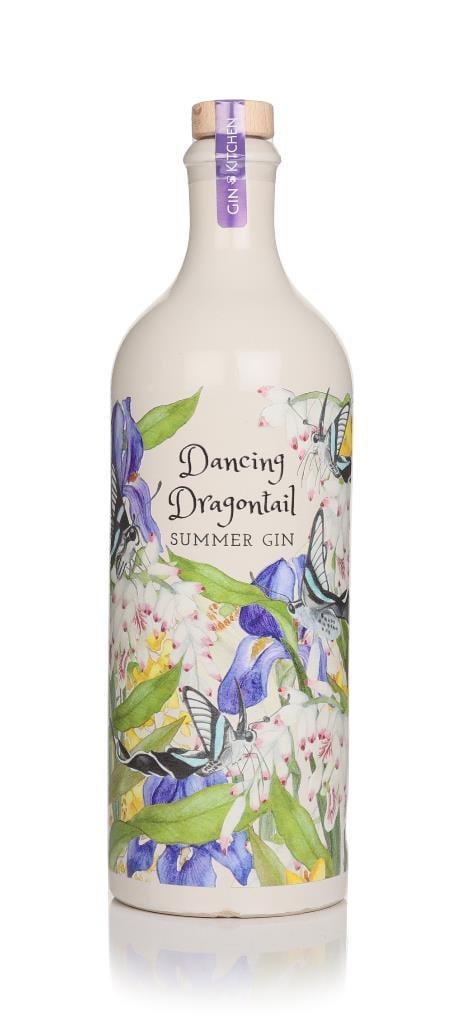
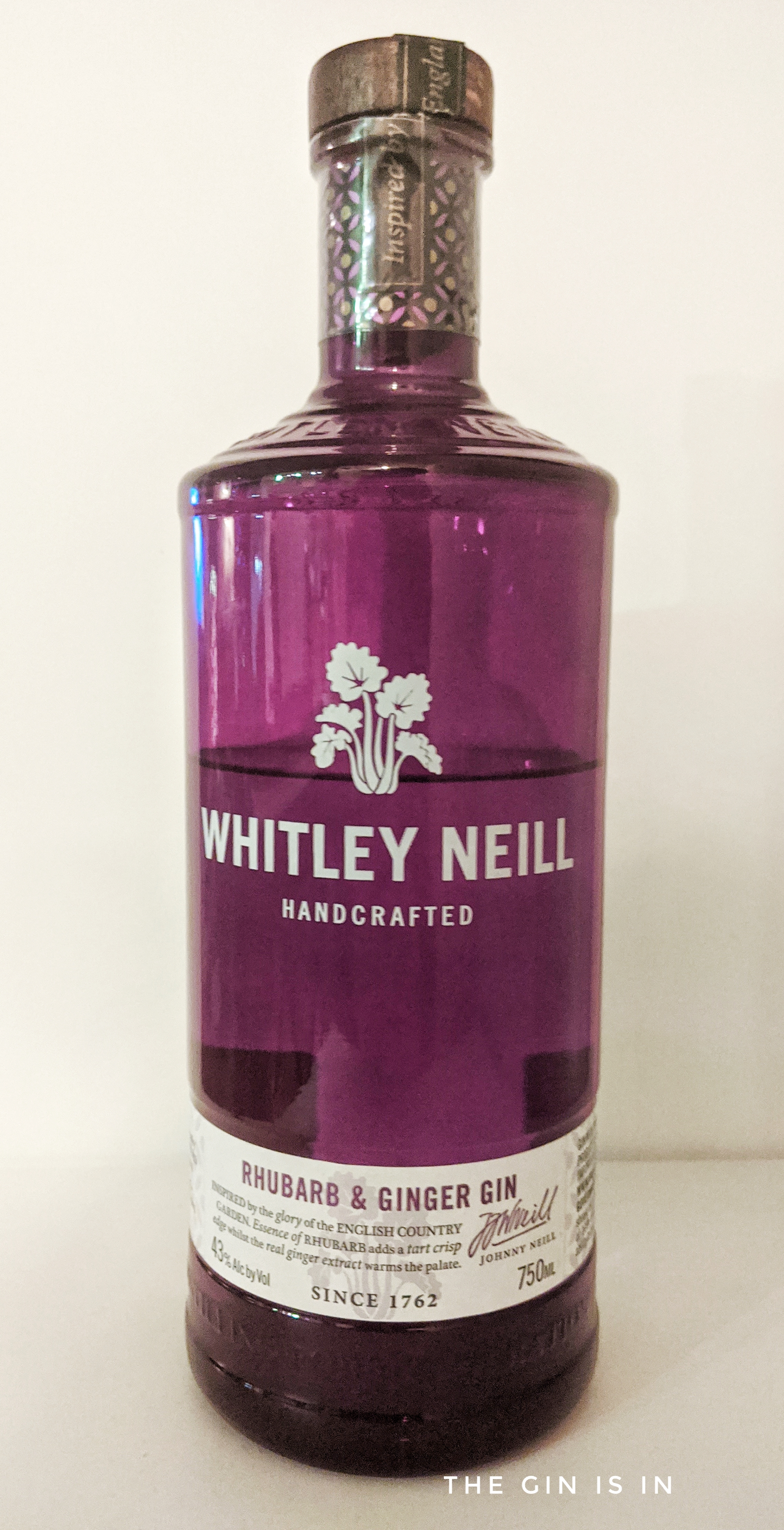
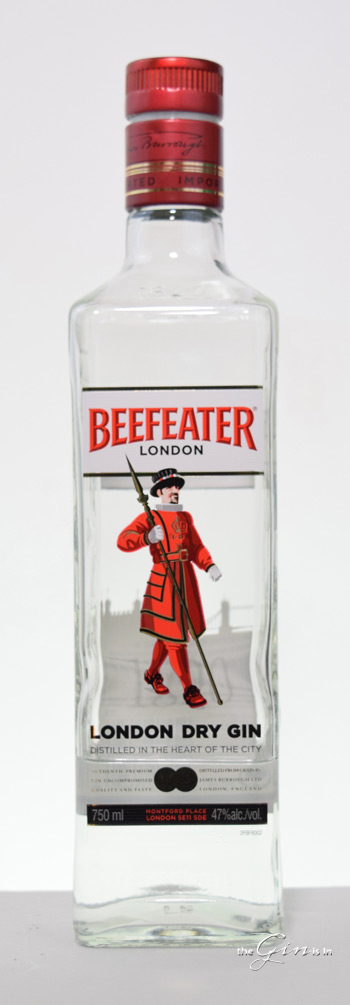
"Everyone is zigging, so we're zagging," said Sherwood, a tall, soft-spoken man who spent 18 years at Beefeater before leaving in 2024 to pursue this venture. "The market is full of gins flavoured with everything from rhubarb to butterfly pea flower. That's fine — people should drink what they enjoy. But somewhere along the way, we've forgotten what a truly great London Dry gin tastes like. I want to remind people."
The distillery will produce a single product at launch: London Dry Gin Company Original, bottled at 47% ABV and priced at £38 for 70cl. The higher-than-standard ABV is a deliberate choice. "Forty percent is the legal minimum, and too many gins sit there because it's cheaper to produce," Sherwood explained. "At 47%, you get the full expression of the botanicals. The gin has weight, texture, presence. It stands up in a Martini and it holds its own against tonic."
I tasted the gin neat, in a Martini, and in a gin and tonic. It is superb. The juniper is assertive but not aggressive — a bright, piney top note that gives way to warm coriander and a long, dry, citrus-edged finish. The angelica root provides an earthy anchor, and there is a subtle sweetness from the liquorice that rounds out the palate without softening it. In a Martini, it is exceptional — clean, complex, and drily elegant. This is a gin that knows exactly what it is.
Mehta, who previously worked in venture capital before co-founding the distillery, handles the commercial side. "The business case is actually quite simple," she told me. "Premium London Dry gin is a proven category with enduring demand. We don't need to educate consumers about what it is — we just need to make the best version of it. Our competitive advantage is Marcus's expertise and our refusal to compromise on ingredients or process."
The distillery's capacity is deliberately modest. Sherwood estimates they will produce approximately 12,000 bottles in their first year, rising to 20,000 by year three. Distribution will be tightly controlled: the on-site shop, a curated selection of London bars and restaurants, and direct-to-consumer online sales. "We're not trying to be on every supermarket shelf," Mehta said. "Scarcity is part of the proposition."
Industry Context
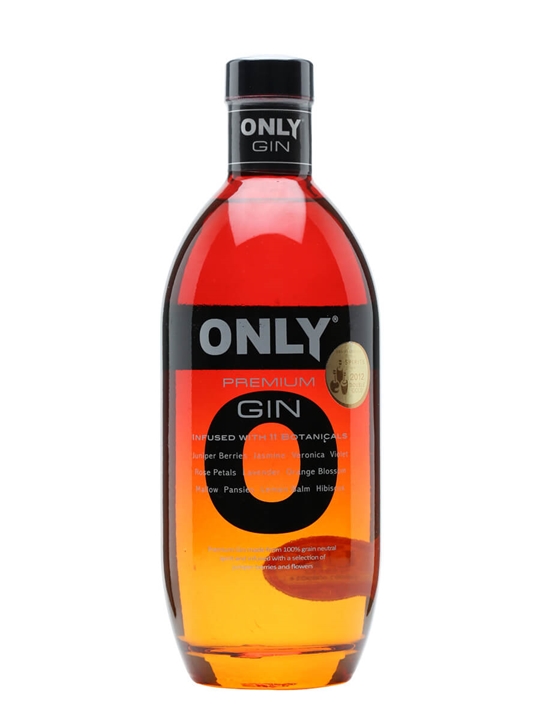
The London Dry Gin Company enters a market that has, paradoxically, moved away from its namesake product. While the London Dry style remains the single largest gin category by volume, the excitement and innovation in recent years have centred on contemporary, new western, and flavoured styles. Many industry observers have noted that London Dry — the style that built the category — has become something of a taken-for-granted baseline rather than a source of aspiration.
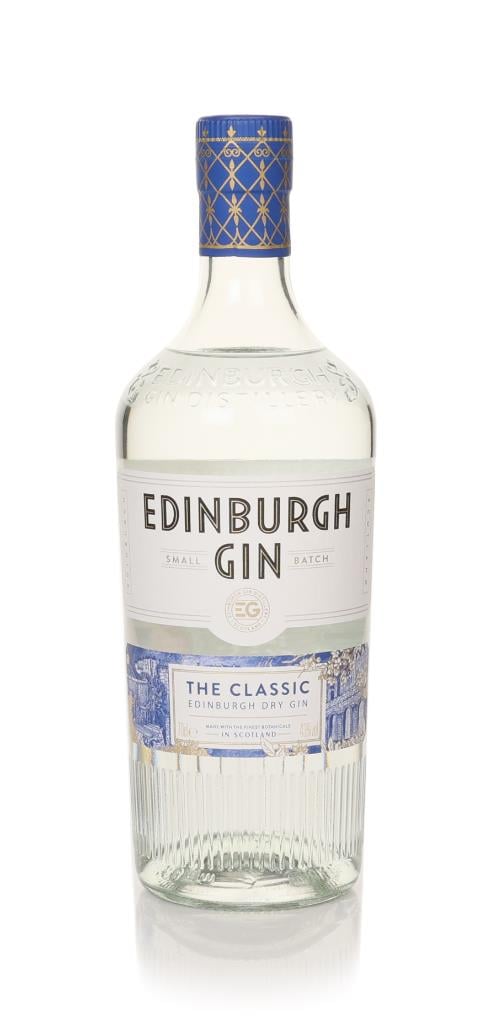
Sherwood's venture is part of a nascent counter-trend. In Scotland, Edinburgh-based NB Distillery has repositioned its core gin as an explicitly traditional London Dry. In Spain, several producers are moving away from the botanical exuberance that defined the Spanish gin-tonic boom and returning to more classical profiles. And in the US, bartenders are reportedly driving a Martini revival that naturally favours juniper-forward London Dry gins.
"There's a cyclical element to these things," said Geraldine Coates, gin historian and author. "The pendulum swung hard towards flavour and novelty, and now there's a correction — a renewed appreciation for the classic styles. It's similar to what happened in craft beer, where the IPA mania eventually produced a lager revival."
The Bermondsey location is also significant. The neighbourhood has become a hub for artisan food and drink producers, with breweries, wine importers, and a cheese cave already operating under the same railway arches. The London Dry Gin Company will benefit from the foot traffic generated by the Bermondsey Beer Mile, which attracts thousands of visitors on weekends.
What's Next
Sherwood has no plans to expand the range with flavoured variants. "That would contradict everything we stand for," he said firmly. He is, however, exploring the possibility of a barrel-aged London Dry and a Navy Strength expression (at 57% ABV), both of which would remain within the traditional gin framework.
The distillery will offer tours and tastings from March, focused on the craft of traditional gin distillation. Sherwood plans to run a series of masterclasses comparing London Dry gins from across the world — an educational format that doubles as savvy brand-building.
Whether the London Dry Gin Company can build a sustainable business on traditionalism alone remains to be seen. The gin market rewards novelty, and a brand that explicitly rejects innovation is swimming against a powerful current. But Sherwood's pedigree, the quality of the liquid, and the clarity of the positioning give it every chance. Sometimes, in a market obsessed with the new, the most radical thing you can do is stay true to the original.