
I've been behind professional bars for the better part of a decade, and I can tell you this with absolute certainty: you do not need a wall of bottles to make exceptional gin drinks at home. What you need is thoughtful selection, a handful of quality tools, and the confidence to experiment. Let me walk you through building a home gin bar that punches well above its weight.
The Foundation: Three Essential Bottles
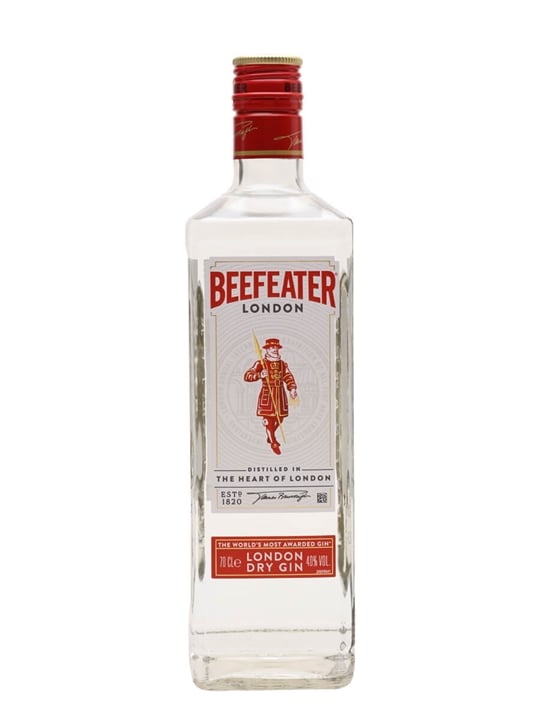
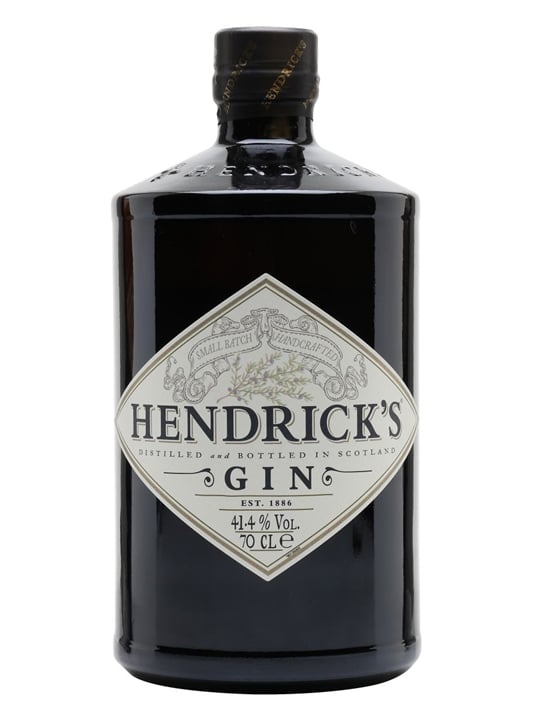
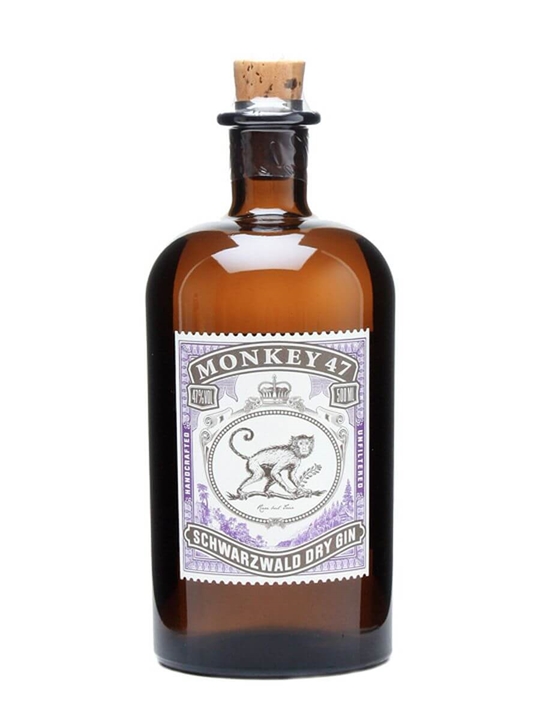
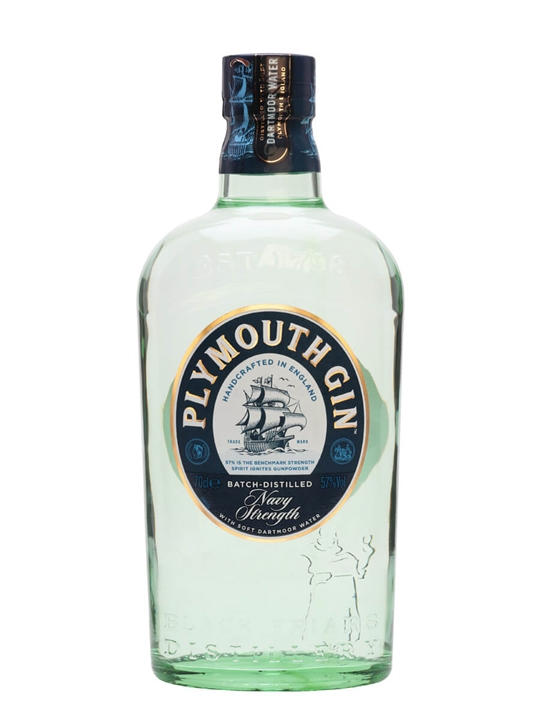
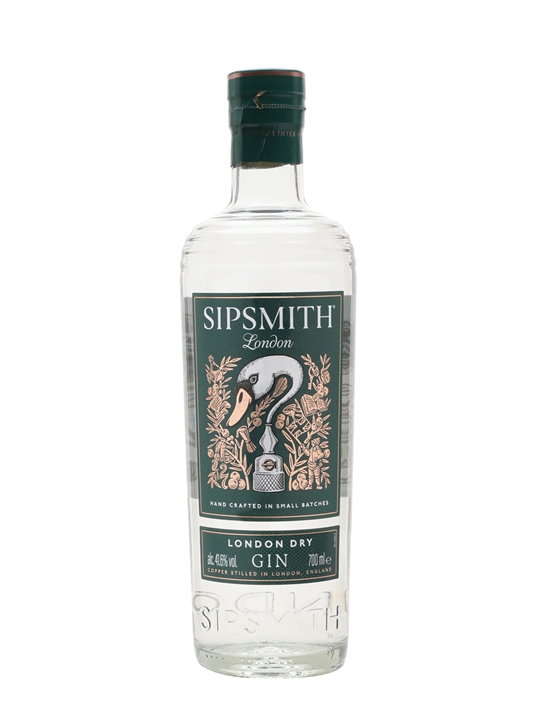
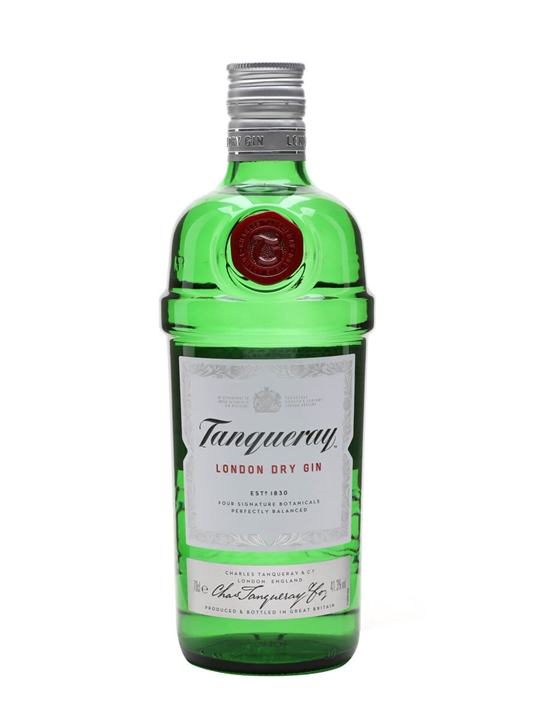
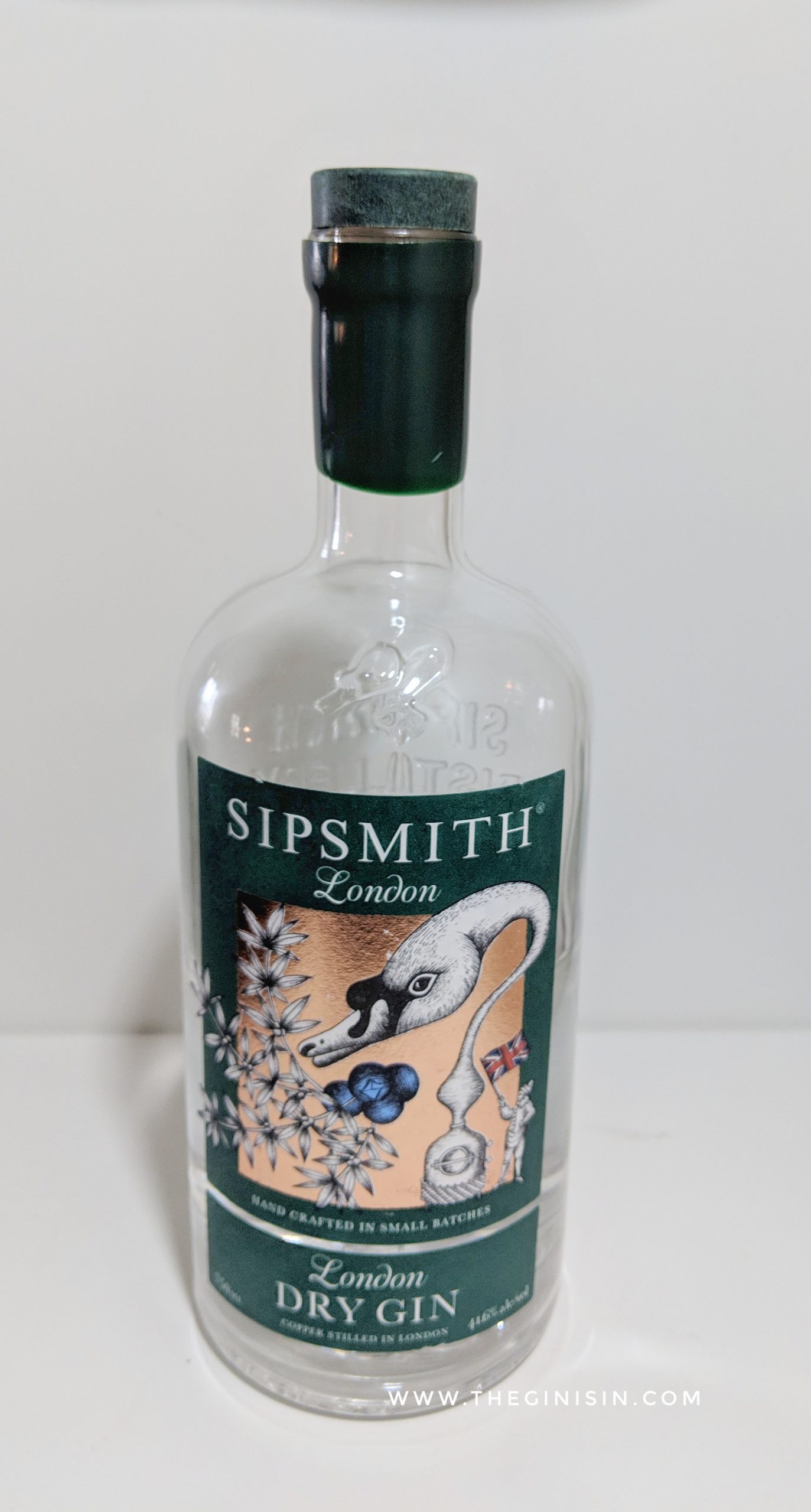
Start with three gins that cover different ground. First, a classic London Dry — something like Tanqueray, Beefeater, or Sipsmith. This is your workhorse, the gin that handles a G&T, a Martini, and most classic cocktails without breaking a sweat. Second, a contemporary or New Western gin — Hendrick's, The Botanist, or Monkey 47. This gives you something more aromatic and complex for drinks where gin is the star. Third, a Navy Strength gin — Plymouth Navy Strength or Perry's Tot. At 57% ABV, this ensures your gin flavour carries through in cocktails with multiple ingredients.
With these three bottles, you can make virtually any gin cocktail worth drinking. Resist the urge to buy more until you've genuinely explored what these three can do.
The Supporting Cast: Mixers and Modifiers
Good gin deserves good mixers. For tonic water, invest in quality — Fever-Tree Indian Tonic or East Imperial Burma are solid choices. Buy small bottles rather than large ones; tonic goes flat quickly and flat tonic ruins everything. You'll also want dry vermouth (Dolin or Noilly Prat) for Martinis, sweet vermouth (Cocchi di Torino or Carpano Antica) for Negronis, and Campari for the same. A bottle of fresh lime juice — always fresh, never bottled — and simple syrup round out the essentials.
Tools of the Trade
You need less than you think. A Boston shaker (the two-piece tin-on-tin or tin-on-glass type) is more versatile and easier to use than a cobbler shaker. A Hawthorne strainer fits inside the shaker tin. A bar spoon — the long, twisted variety — handles stirred drinks. A jigger with 25ml and 50ml measures keeps your drinks consistent. And a Y-peeler for citrus twists. That's it. Everything else is nice to have but not essential.
Ice Matters More Than You Think
This is the point where most home bartenders fall down. Standard freezer ice cubes are too small and melt too quickly, diluting your drinks before you've finished them. Invest in a large ice cube tray — the ones that make 5cm cubes are ideal for stirred drinks. For shaking, standard cubes from a good tray work fine, but make sure they're properly frozen (at least four hours, ideally overnight). If you're serious, consider buying a bag of commercial ice for parties — the density and clarity make a genuine difference.
Glassware: Start Simple
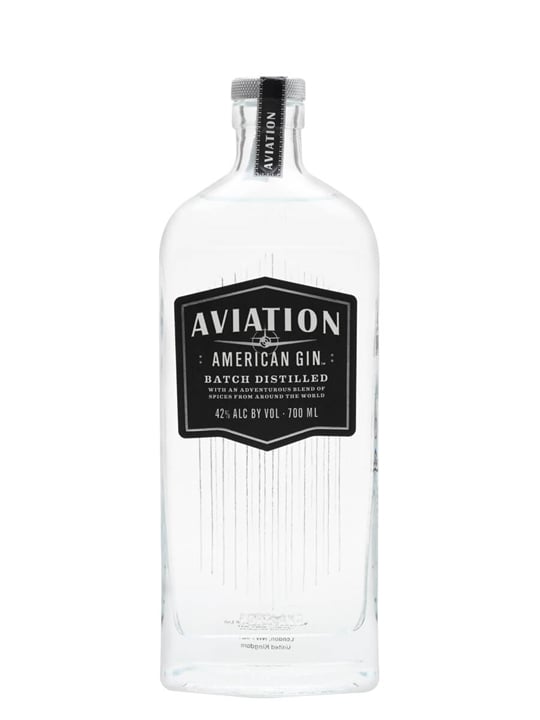
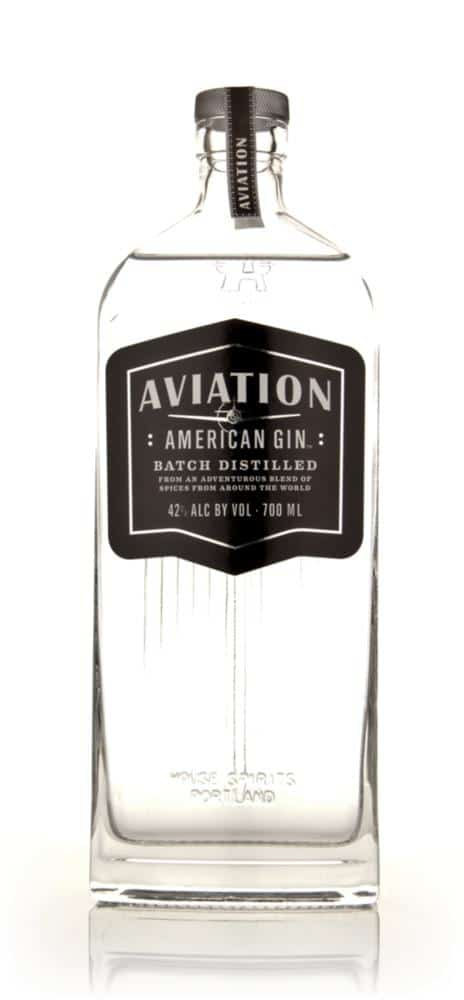
Three types of glass will see you through nearly everything. A Copa glass (the balloon-shaped glass) for gin and tonics — the wide bowl traps aromatics beautifully. A coupe glass for cocktails served up — Martinis, Gimlets, Aviation. And a rocks glass for Negronis and anything served over ice. You can find perfectly good versions of all three for under thirty pounds total.
Garnish Station
Fresh garnishes transform drinks from adequate to excellent. Keep lemons and limes on hand permanently. A cucumber in the fridge covers Hendrick's territory. Beyond that, buy garnishes to match what you're making: grapefruit for Tanqueray and tonic, rosemary for a Mediterranean gin, a slice of fresh ginger for an Eastern-influenced serve. The rule is simple: if it's in the gin, it probably works as a garnish.
Your First Five Drinks to Master
Once your bar is set up, work through these five drinks in order. Each one teaches you a fundamental technique:
- Gin and Tonic — Teaches you about proportions and garnish. (50ml gin, 150ml tonic, appropriate garnish.)
- Gimlet — Teaches you to shake. (50ml gin, 25ml fresh lime juice, 15ml simple syrup. Shake hard, strain into a coupe.)
- Dry Martini — Teaches you to stir. (60ml London Dry gin, 15ml dry vermouth. Stir with ice for thirty seconds, strain into a chilled coupe, lemon twist.)
- Negroni — Teaches you about balance. (25ml gin, 25ml Campari, 25ml sweet vermouth. Stir, strain over a large ice cube, orange twist.)
- Tom Collins — Teaches you about building drinks. (50ml gin, 25ml lemon juice, 15ml simple syrup, top with soda. Build in a tall glass over ice.)
Master these five and you'll understand enough technique to tackle anything else that catches your eye. The most important thing is to start making drinks, paying attention to what works, and adjusting to your own taste. The best home bar is the one that makes the drinks you actually want to drink.