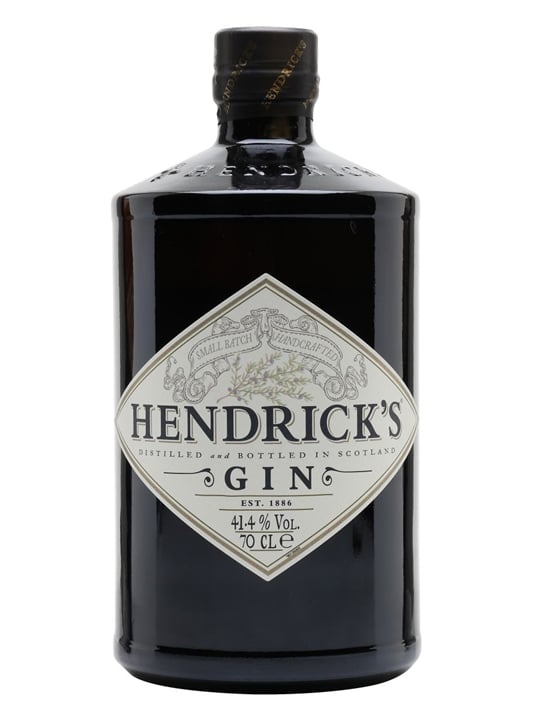
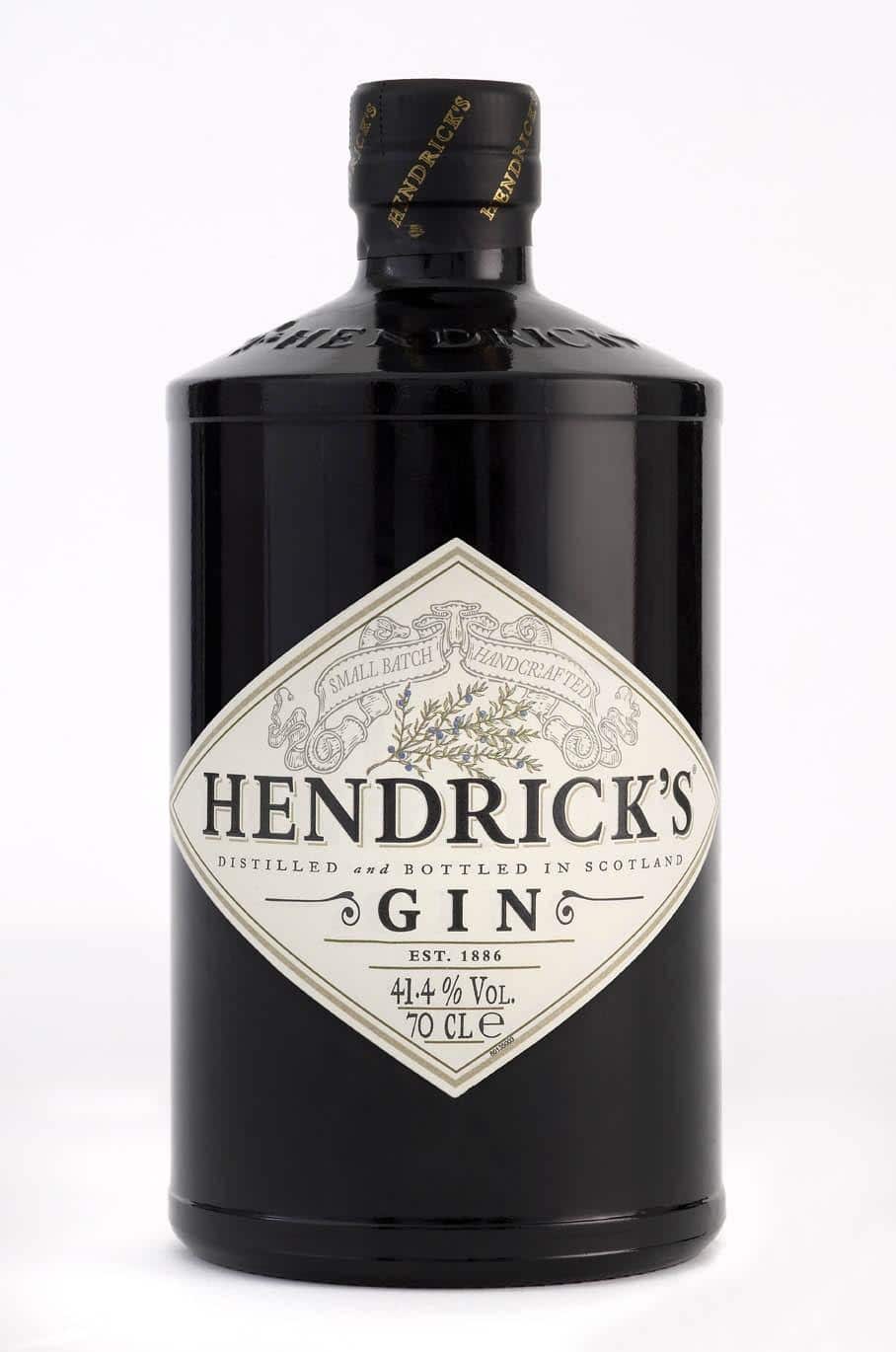

In the summer of 1999, in the small Scottish coastal town of Girvan, a master distiller named Lesley Gracie did something that the gin world considered, at best, eccentric. She infused a gin with Bulgarian rose petals and cucumber. The result was Hendrick's — a spirit so unlike anything that had come before that William Grant & Sons, the company behind it, initially struggled to convince bartenders it was gin at all.
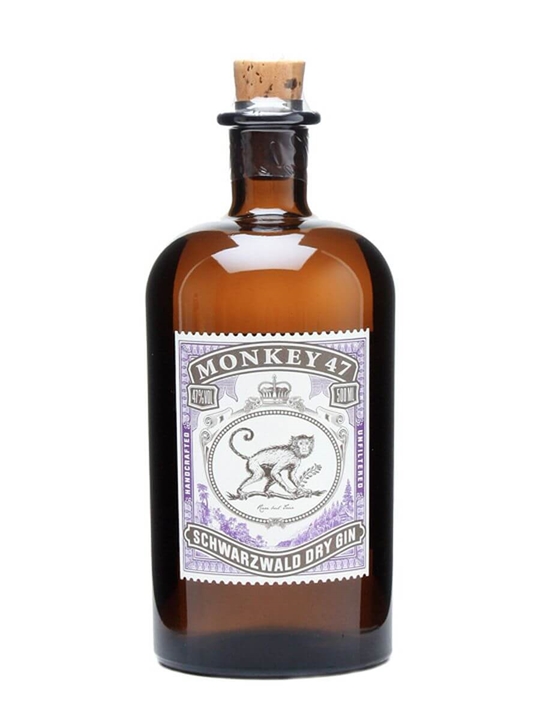
A decade later, in the Black Forest of southwestern Germany, a former military communications specialist named Alexander Stein was restoring a bombed-out guesthouse when he discovered, in the ruins, a recipe for a gin distilled from forty-seven botanicals. Stein rebuilt the distillery, tracked down every botanical on the list, and produced the first batch of Monkey 47 in 2008. It sold out within weeks.
These two gins — Hendrick's and Monkey 47 — represent the twin poles of contemporary gin's creative revolution. Both broke decisively with London Dry tradition. Both became cult bottles. And both prove that gin, more than any other spirit, rewards audacity.
The Making
Hendrick's is distilled in two entirely different stills — a Carter-Head still and a vintage Bennett copper pot still, both dating from the mid-twentieth century — and the distillates are blended before the cucumber and rose infusions are added. This unusual two-still approach gives Hendrick's its distinctive character: the Carter-Head produces a light, delicate, highly aromatic spirit, while the Bennett pot delivers body and depth. The genius is in the marriage.
Monkey 47 takes a different path. Its forty-seven botanicals — including lingonberries, acacia blossoms, spruce shoots, sloe berries, and a dozen other ingredients foraged from the Black Forest — are macerated in molasses spirit and then distilled in a small copper pot still. The distillate is rested in earthenware containers for one hundred days before bottling, a patient maturation that softens the edges and allows the extraordinary complexity of the botanical bill to integrate.
In the Glass
Pour Hendrick's and the first thing you notice is the nose: clean, green, and floral, with the unmistakable cool freshness of cucumber and the subtle, perfumed sweetness of rose drifting above a gentle juniper base. On the palate, it is silky and approachable, with a delicate citrus and herb character that never overwhelms. The finish is soft and faintly floral. It is a gin that whispers.
Monkey 47 shouts — elegantly, but unmistakably. The nose is a riot of competing impressions: pine, citrus, wildflower, berry, pepper, something vaguely herbaceous and impossible to pin down. On the palate, the complexity is staggering. Flavours arrive in waves — juniper first, then cranberry tartness, then a cascade of floral and herbal notes, then a long, peppery, almost spicy finish. At 47% ABV, it has the weight and intensity to carry all that complexity without falling apart.
The Philosophy
Hendrick's is a gin of subtraction. Lesley Gracie's genius was not in adding more botanicals but in adding the right ones — just eleven — and in the unconventional choice of cucumber and rose, which shifted the entire flavour axis of gin away from the piney, citrusy London Dry template toward something greener, cooler, and more floral. Hendrick's proved that gin did not have to be juniper-forward to be great.
Monkey 47 is a gin of accumulation. Alexander Stein's approach was maximalist: forty-seven botanicals, many of them wild-foraged, combined in a recipe that demands extraordinary precision to balance. Where Hendrick's asks "what if we use fewer, different botanicals?", Monkey 47 asks "what if we use every botanical the forest can offer?" Both questions produced extraordinary answers.
How to Serve Them
Hendrick's demands cucumber. It was designed for it, and serving Hendrick's with a lemon wedge is like hanging a Rothko upside down — technically possible, but you are missing the point. A Hendrick's G&T, made with Fever-Tree tonic and three thin slices of cucumber, is one of the great simple pleasures in life. It also makes a wonderful Martini, where its softness and florality produce a drink of uncommon elegance.
Monkey 47 is best appreciated with as little interference as possible. A simple tonic (Fever-Tree Indian or Thomas Henry) and a single garnish — a grapefruit twist or a few lingonberries if you can find them — is all it needs. The gin is the star, and the tonic is merely the stage. It is also exceptional neat, served slightly chilled in a small tulip glass, where you can spend a contemplative half-hour exploring its layers.
The Verdict
Choosing between Hendrick's and Monkey 47 is not a matter of which is better. It is a matter of mood, occasion, and what you want from the experience. Hendrick's is the gin for a summer afternoon, a long conversation, a drink that refreshes without demanding your full attention. Monkey 47 is the gin for a quiet evening, a contemplative pour, a spirit that rewards deep focus and repeated visits. Both are masterpieces. Both deserve a place on your shelf. And both remind us that gin is a spirit without limits.