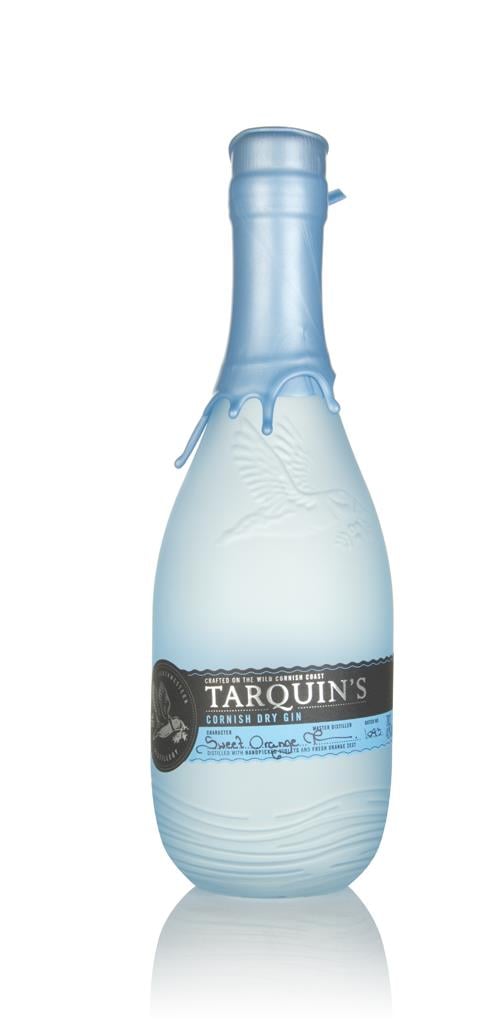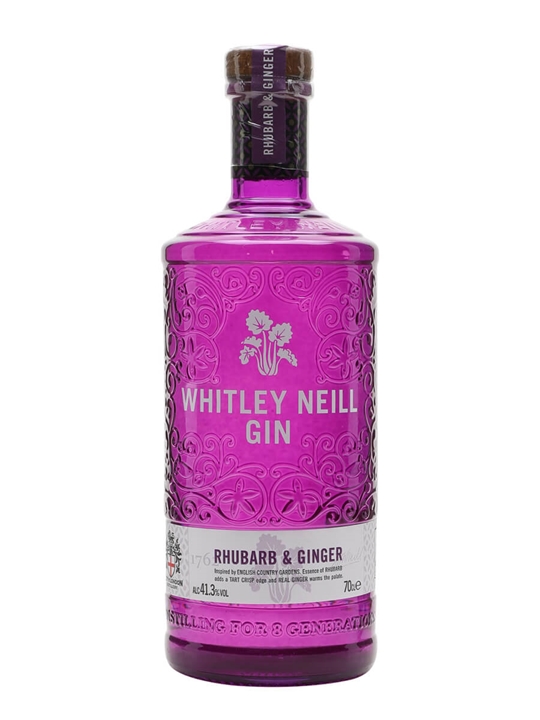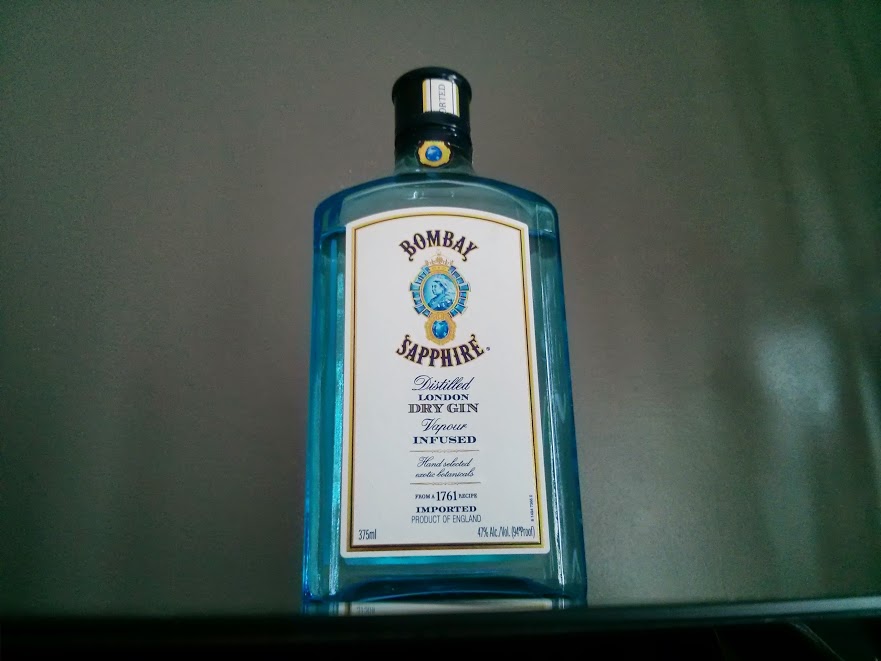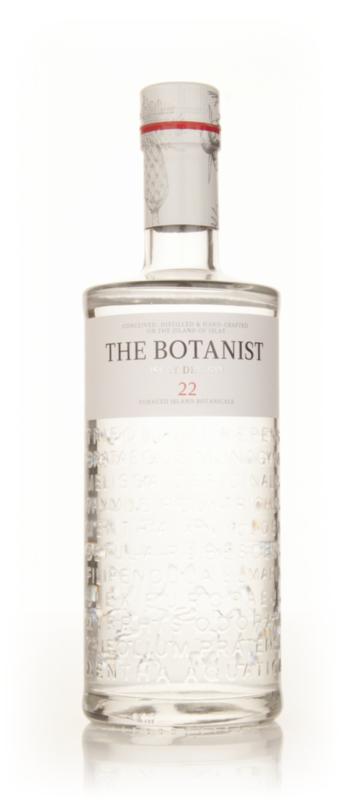
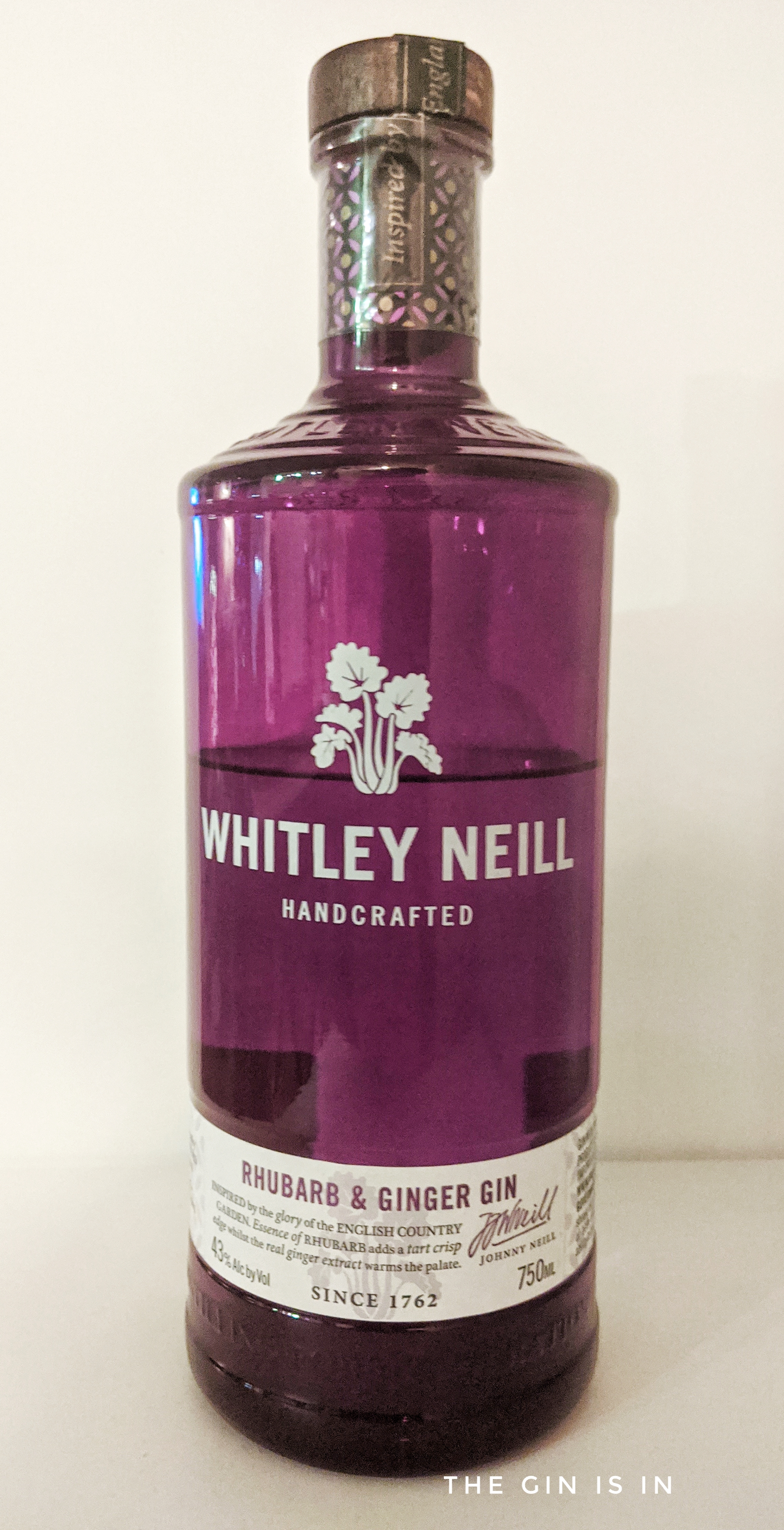

There is a photograph, taken in a supermarket in Nottingham in 2019, that circulated widely among gin professionals. It shows an aisle — an entire aisle — dedicated to flavoured gin. Pink gin, rhubarb and ginger gin, blood orange gin, parma violet gin, candy floss gin, unicorn gin (yes, unicorn gin), and something called "shimmer gin" that contained edible glitter. The photograph was shared with reactions ranging from delight to horror, depending on whom you asked. It remains, for better or worse, one of the defining images of the modern gin boom.
Flavoured gin is the most contentious topic in the spirits world. It has brought millions of new drinkers to gin, generated billions of pounds in revenue, and introduced a level of creativity (or, critics would say, absurdity) that the category has never seen before. It has also, according to its detractors, cheapened gin's reputation, confused consumers about what gin actually is, and allowed a flood of poorly made products to trade on the goodwill built by centuries of craft distilling.
Both sides have a point. The truth, as usual, is complicated.
What is Flavoured Gin?
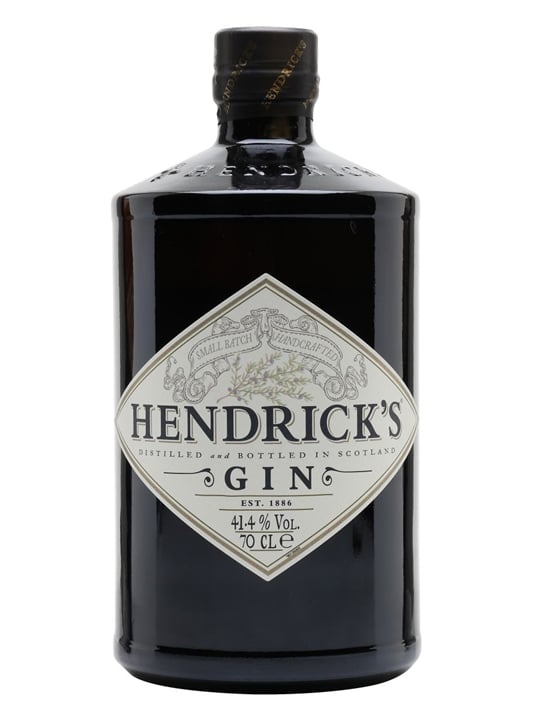
The term covers a spectrum. At one end are gins that incorporate unconventional botanicals into the distillation process — Hendrick's with its cucumber and rose, for example, or Whitley Neill Rhubarb & Ginger, which redistils grain spirit with rhubarb root and ginger alongside traditional botanicals. These are, by any reasonable standard, properly made gins that happen to use unusual flavourings.
At the other end are products that are essentially flavoured vodkas with enough juniper to scrape over the legal threshold. Many pink gins, for instance, are made by adding fruit flavourings and colourings to a base gin after distillation — a process that produces a drinkable, often quite pleasant product, but one that has more in common with an alcopop than with a traditionally distilled gin. Legally, if juniper is the predominant flavour, the product can be called gin. Practically, some of these products taste more of strawberry than of juniper, which raises legitimate questions about consumer expectations.
The Case For
The pro-flavoured-gin argument is straightforward and powerful: it works. Flavoured gins have brought more people into the gin category than any marketing campaign, bartender trend, or critical endorsement could have achieved. In the UK, flavoured gin drove the majority of the category's growth between 2017 and 2020, and many of those new drinkers have subsequently traded up to premium London Dry and contemporary gins. Flavoured gin is, in this view, a gateway — the shallow end of the pool from which curious drinkers can progress to deeper waters.
There is also a creative argument. The gin category's openness to new flavours and botanicals is precisely what makes it exciting. Gin has always been a spirit of innovation — from the Dutch pharmacists who first added juniper to distilled spirit, to the Victorian distillers who developed London Dry, to the craft producers who are now pushing the boundaries of what gin can be. Flavoured gin is simply the latest iteration of that tradition. To reject it outright is to reject the spirit's own history of reinvention.
And let us not be snobbish about sweetness. Old Tom gin — the dominant style in Britain for over a century — is sweetened. Sloe gin — one of the most traditional and beloved British spirits — is sweetened with fruit. The idea that gin must be dry, austere, and juniper-forward is a relatively modern one, born of the London Dry era and codified into an orthodoxy that the spirit's own history does not support.
The Case Against
The anti-flavoured-gin argument is equally straightforward: at some point, a flavoured gin stops being gin. If the predominant taste is strawberry, or rhubarb, or parma violet, and the juniper is barely detectable, then calling the product "gin" is misleading at best and dishonest at worst. The legal definition — juniper must be the predominant flavour — is widely flouted, and enforcement is effectively non-existent.
There is also a quality argument. Many flavoured gins are not distilled with their flavourings; the flavourings are added afterwards, often in the form of artificial or nature-identical extracts. This is not craft distilling. It is flavouring. The distinction matters, because the consumer paying a premium price for a "craft" flavoured gin may reasonably expect that the product has been made with the same care and skill as a traditionally distilled gin — and in many cases, it has not.
The most damaging criticism is that flavoured gin has diluted the category's credibility. When a supermarket aisle contains candy floss gin and unicorn gin alongside Sipsmith and Tanqueray, the implicit message is that these products are equivalent — that gin is a flavour category rather than a craft spirit. This risks alienating serious gin drinkers, undermining the premiumisation that has driven the gin renaissance, and reducing gin to a novelty.
The Middle Ground
The distinction that matters is not between "flavoured" and "unflavoured" — it is between well-made and poorly made. A gin that uses genuine botanicals, distilled with skill and care, is a good gin regardless of whether those botanicals include rhubarb or yuzu or pepperberry. A gin that adds artificial flavourings to a cheap base spirit and sells itself as a premium product is a bad gin, regardless of how pretty the bottle is.
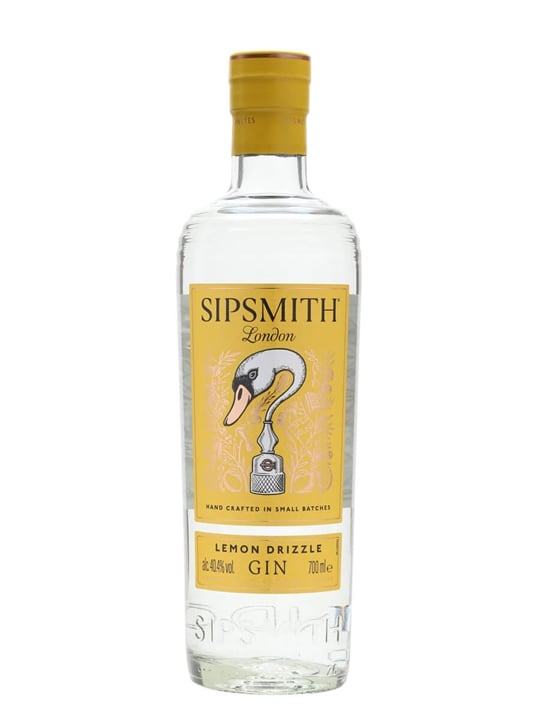
The best flavoured gins — Whitley Neill Blood Orange, Tarquin's Rhubarb & Raspberry, Sipsmith Lemon Drizzle — are genuinely excellent spirits that happen to use unconventional botanicals. They are made with skill, they taste of gin as well as their featured flavour, and they deserve their place in the market. The worst flavoured gins are cynical cash grabs that contribute nothing to the category and everything to consumer confusion.
Where This Ends
The flavoured gin wave has already peaked. Sales growth has slowed, the market is consolidating, and consumers are becoming more discerning about what they buy. The novelty products — the glitter gins, the colour-changing gins, the gins named after things that have nothing to do with gin — are fading. What will remain are the products that are genuinely well-made, that taste good, and that justify their shelf space on quality rather than novelty.
Gin has survived worse than flavoured gin. It survived the Gin Craze, prohibition, decades of unfashionability, and the vodka boom. It will survive pink gin and parma violet gin. The spirit is resilient, adaptable, and — at its best — magnificent. Let the market sort the good from the bad. It always does.