
The Negroni is one of those rare cocktails that is simultaneously simple and sophisticated. Three ingredients in equal parts — gin, Campari, sweet vermouth — stirred with ice and served with an orange twist. You can learn to make one in thirty seconds. You can spend a lifetime perfecting it.
The Classic Negroni
Let's start with the standard build:
- 25ml gin (London Dry works best)
- 25ml Campari
- 25ml sweet vermouth (Cocchi di Torino is my preference)
Add all three ingredients to a mixing glass filled with ice. Stir for twenty to twenty-five seconds — you want dilution and chill, but the Negroni should remain slightly viscous. Strain into a rocks glass over a single large ice cube. Express an orange twist over the surface and drop it in.
That's the recipe. Now let's talk about why it works and how to make it better.
Choosing Your Gin
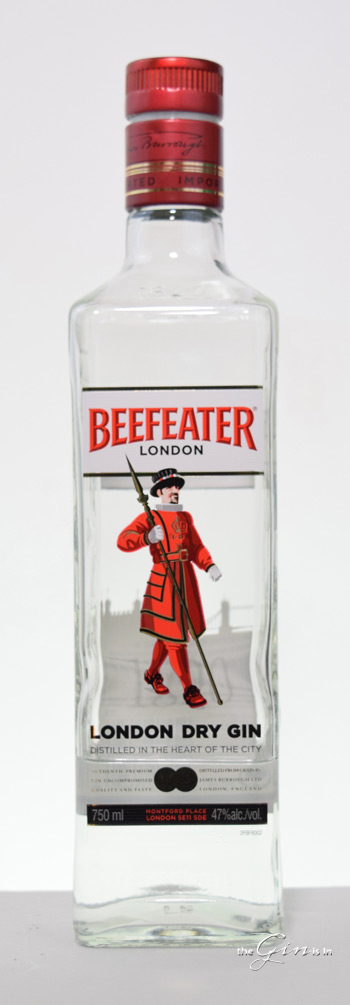
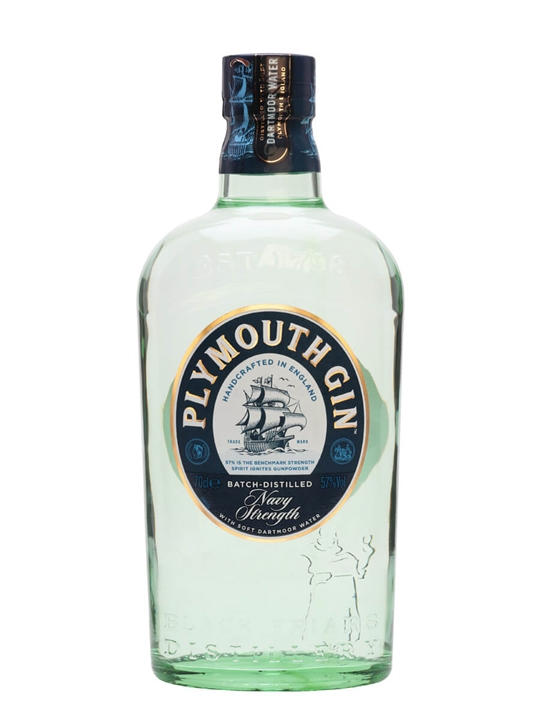
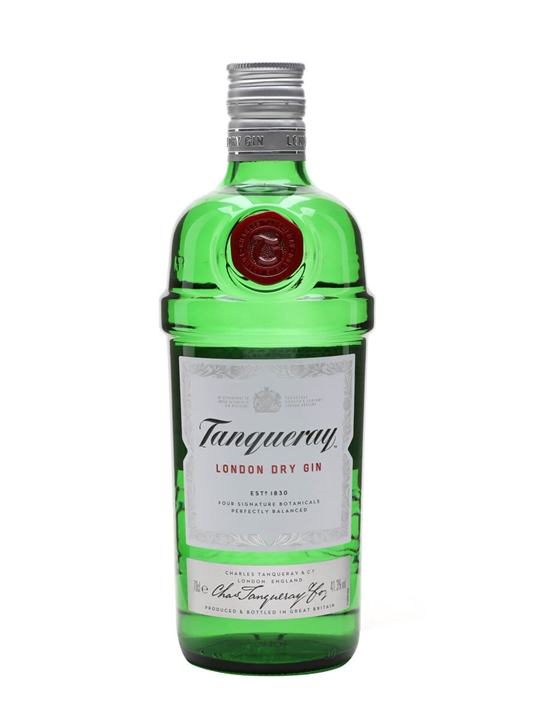
The gin has to compete with Campari, which is intensely bitter, and sweet vermouth, which is rich and herbal. A delicate, floral gin will get bulldozed. You want something with backbone — a juniper-forward London Dry at 44% or above. Tanqueray (47.3%) is the classic choice and hard to beat. Beefeater 24 works beautifully too, its tea botanicals adding an interesting dimension. For a more assertive drink, try a Navy Strength gin — Plymouth Navy Strength makes a Negroni of extraordinary power.
The Vermouth Question
Sweet vermouth is where most Negronis are won or lost. Cheap, oxidised vermouth will make a flat, cloying drink. Good vermouth — fresh, complex, properly stored — lifts the entire cocktail. Cocchi di Torino is my desert-island choice: it has a lovely bittersweet quality and enough structure to stand up to the Campari. Carpano Antica Formula is richer and more vanilla-forward, making a heavier Negroni. Punt e Mes, technically a vermouth amaro, makes a spectacularly bitter version that I adore but acknowledge is not for everyone.
Variations Worth Knowing
The Boulevardier: Replace gin with bourbon or rye whiskey. Same proportions. It's a Negroni's American cousin — darker, warmer, with the whiskey's caramel and oak adding new dimensions. Try it with a high-rye bourbon.
The White Negroni: Replace Campari with Suze (a French gentian liqueur) and sweet vermouth with Lillet Blanc. Same proportions, same technique. The result is lighter, more floral, and wonderfully complex. This is a superb summer drink.
The Sbagliato: Replace the gin with prosecco. Build it in a wine glass: Campari, sweet vermouth, top with prosecco. It's lighter, more festive, and perfect for an aperitivo when a full Negroni feels too heavy.
The Old Pal: Gin gives way to rye whiskey, sweet vermouth to dry vermouth, and Campari stays. Equal parts. It's drier and more austere than a Boulevardier — a drink for people who like their cocktails with sharp edges.
The Barrel-Aged Negroni
If you're feeling ambitious, pre-batch a Negroni and age it in a small oak barrel for four to six weeks. Combine the three ingredients, pour into the barrel, and wait. The oak softens the Campari's bitterness, integrates the flavours, and adds vanilla and spice notes. The result is extraordinary — smoother, more complex, and endlessly sippable. You can achieve a similar effect by adding oak chips to a mason jar, though a barrel gives better results.
Common Mistakes
Over-stirring: a Negroni should be silky but not watery. Twenty to twenty-five seconds is plenty. Using old vermouth: buy small bottles, store in the fridge, replace often. Skimping on the orange twist: the expressed oils are not optional — they provide aromatic lift that the drink needs. And using too-small ice: a large, slow-melting cube keeps the drink cold without rapid dilution.
The Negroni rewards faithfulness. Make it regularly, adjust the proportions by small increments, try different gins and vermouths, and you'll develop a version that is unmistakably yours. That's the beauty of a cocktail this simple — the small details are everything.