
The global craft gin market crossed the £3 billion threshold in 2025, according to new data released by the IWSR Drinks Market Analysis — a landmark figure that would have seemed fantastical when the modern gin renaissance began barely fifteen years ago. The report, published this week and shared exclusively with select trade press ahead of its public release, shows craft gin sales reached £3.14 billion globally, representing year-on-year growth of 8.7% by value even as the broader gin category grew by just 4.2%.
For those of us who have tracked this market from its infancy, the number is both staggering and somehow inevitable. Craft gin has proven to be not a fad but a structural shift in how consumers relate to spirits — one built on provenance, transparency, and a willingness to pay more for something genuinely different.
The Details
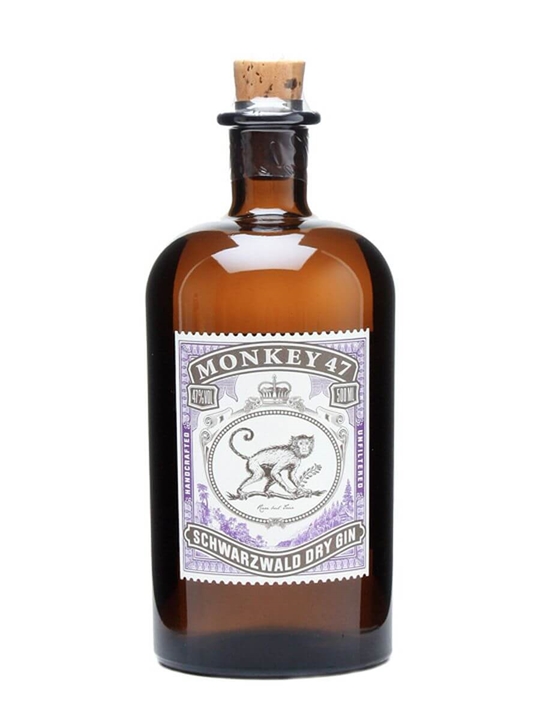
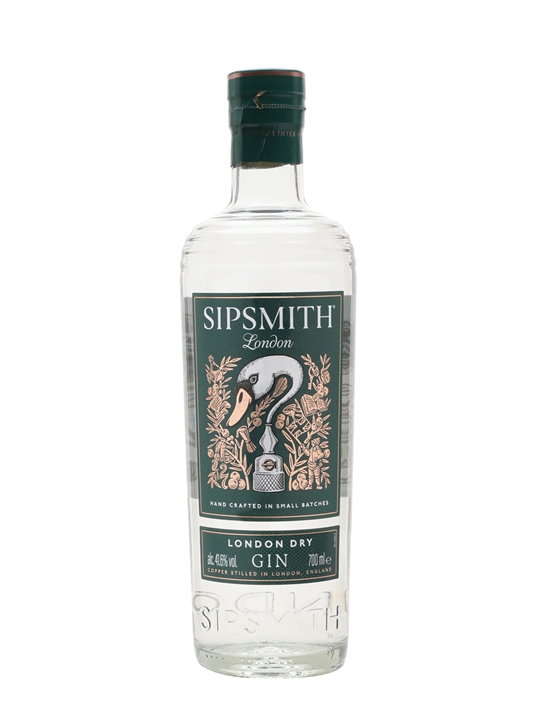
The IWSR defines craft gin as products from independently owned distilleries producing fewer than 100,000 nine-litre cases annually — a definition that captures everything from two-person operations in garden sheds to established mid-size producers like Sipsmith (pre-acquisition) and Monkey 47. By this measure, craft gin now accounts for approximately 12% of global gin sales by value, up from just 4% in 2019.
The growth is not evenly distributed. The UK remains the largest single market for craft gin, accounting for £780 million in sales, followed by the United States at £620 million and Germany at £340 million. But the fastest growth is coming from less established markets: India grew craft gin sales by 42% year-on-year, while South Korea and Brazil both exceeded 30% growth.
"The premiumisation story in gin is far from over," said Mark Meek, CEO of the IWSR. "What's changed is the geography. The UK and Spain were the early adopters, but we're now seeing genuine craft gin cultures emerge in Asia, Latin America, and Africa. These are not export-driven markets — local producers are creating gins that reflect local botanicals and local tastes."
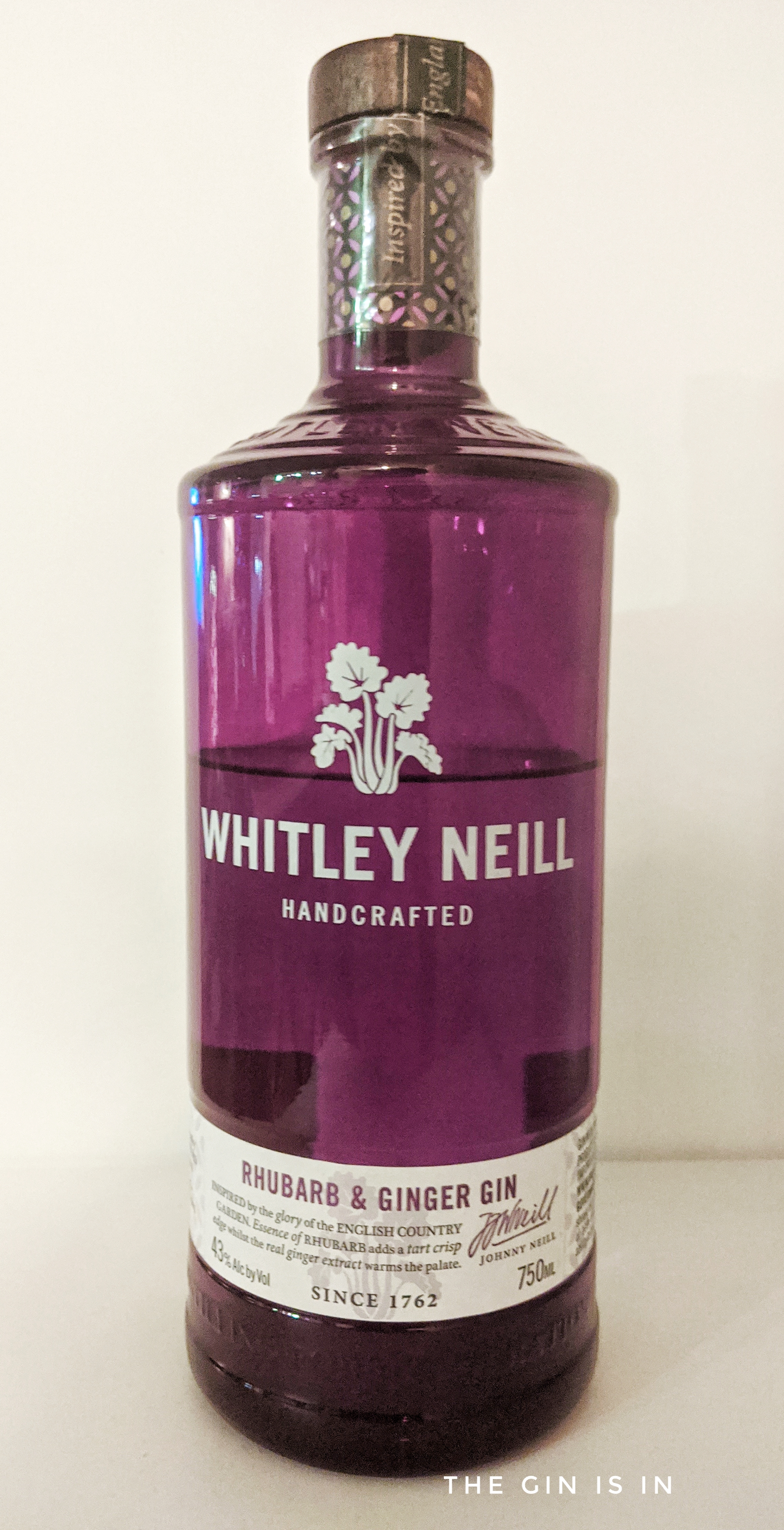
The report highlights flavoured gin as the single largest sub-category within craft, accounting for 34% of sales. However, the fastest-growing segment is what the IWSR terms "terroir-driven" gin — expressions that foreground locally sourced, often wild-foraged botanicals and make explicit connections to place. This category grew by 22% in 2025.
"Consumers are buying stories as much as they're buying liquid," said Sophie Atherton, a beer and spirits writer who has been tracking the craft gin market. "A gin that uses hand-picked botanicals from a specific Scottish island, or juniper from a particular Tuscan hillside — that specificity is worth a premium in consumers' minds."
Industry Context
The £3 billion milestone arrives at a moment of interesting tension in the gin world. On one hand, the data is unambiguously positive — craft gin is growing at more than double the rate of the overall category, and consumer willingness to pay premium prices shows no sign of abating. On the other hand, the sheer number of craft gin producers globally — estimated at over 6,000 — means competition for shelf space, on-trade listings, and consumer attention has never been fiercer.
Attrition is a reality. While new distilleries continue to open at a healthy clip, closures are also accelerating. The Wine and Spirit Trade Association reported that 47 UK gin distilleries ceased trading in 2025, up from 31 the previous year. Many of these were small operations launched during the pandemic boom that struggled to build sustainable distribution or differentiate themselves in an increasingly crowded market.
"The market is doing what markets do — rewarding quality and punishing mediocrity," said Charles Maxwell of Thames Distillers, who has been making gin longer than most of us have been drinking it. "That first wave of 'anyone can make gin' produced some wonderful brands and some terrible ones. The terrible ones are being found out."
The report also notes the growing influence of major spirits groups in the craft space. Diageo, Pernod Ricard, and Beam Suntory have all acquired craft gin brands in recent years, raising questions about what "craft" really means when a brand is owned by a multinational. The IWSR's definition sidesteps this by focusing on production volume rather than ownership, meaning Sipsmith's sales still count as "craft" despite being wholly owned by Beam Suntory.
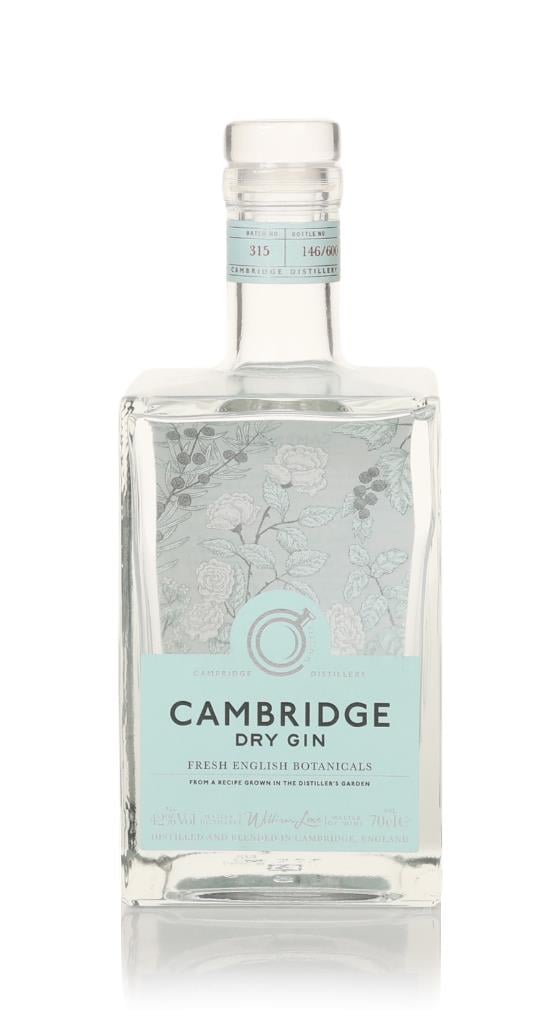
This definitional fuzziness frustrates some independent producers. "If craft means anything, it should mean independent," argued Will Lowe, founder of Cambridge Distillery. "Otherwise it's just a price tier, not a philosophy."
What's Next
The IWSR projects the craft gin market will reach £4 billion by 2028, driven primarily by growth in Asia-Pacific and the Americas. The report identifies three trends to watch: the continued rise of non-alcoholic and low-ABV gins (which grew 35% in 2025), the emergence of aged gin as a premium sub-category, and the growing importance of direct-to-consumer sales channels including distillery shops and online platforms.
For the UK specifically, the outlook is one of maturation rather than explosive growth. The report projects UK craft gin sales growing at 4-5% annually through 2028 — healthy, but a far cry from the 20%+ growth rates of the boom years. The winners will be brands with strong identities, genuine points of difference, and the operational resilience to weather the inevitable ups and downs of consumer fashion.
Three billion pounds. Not bad for a spirit that was being written off as a supermarket commodity barely two decades ago.